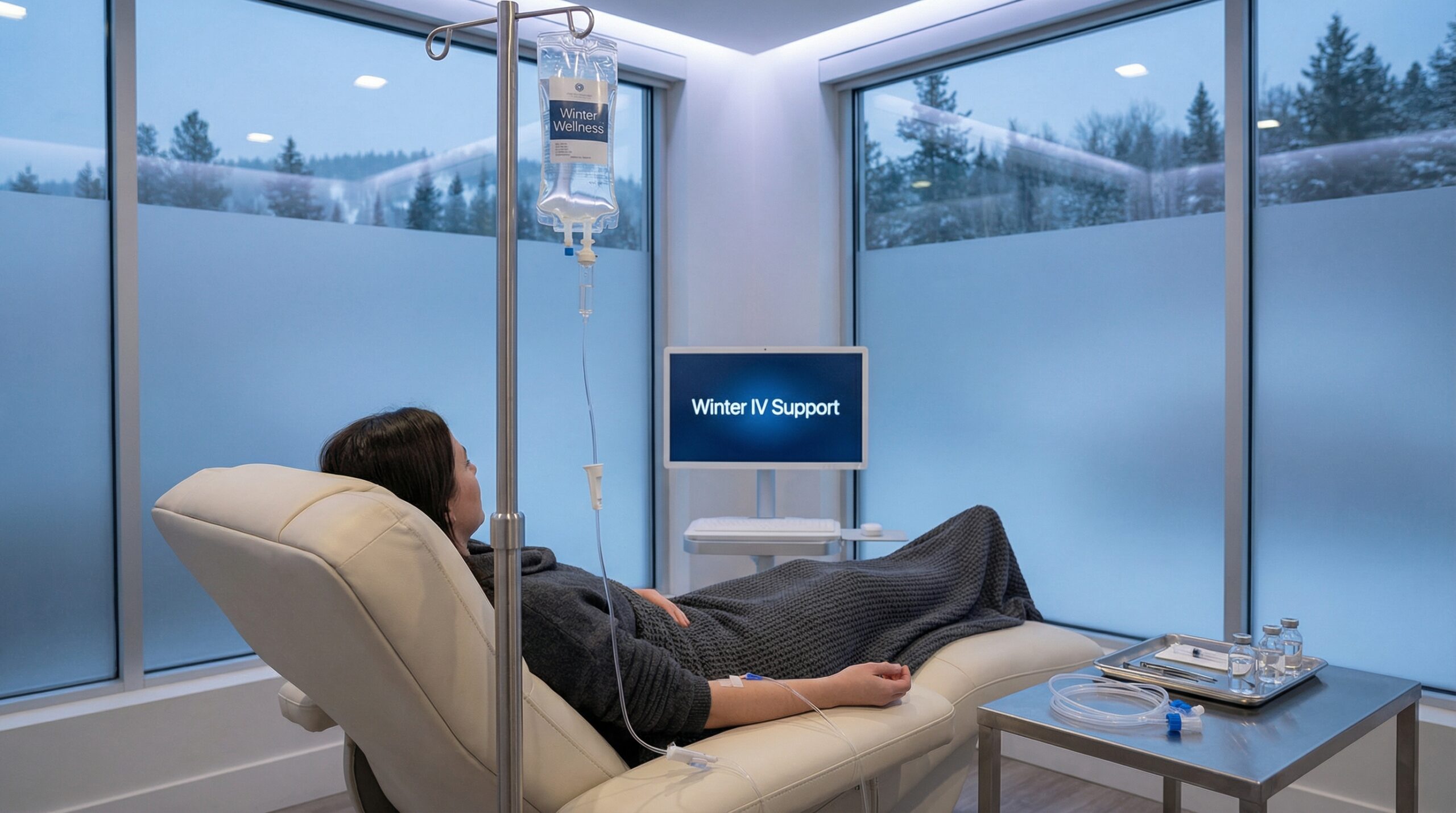
Winter can be a beautiful season, but colder temperatures, indoor heating, holiday stress, and more time spent inside can take a toll on your immune system, energy, hydration, and mood. A winter wellness IV treatment is designed to support your body through these challenges by delivering fluids, vitamins, minerals, and antioxidants directly into your bloodstream. This guide explains how winter IV therapy works, who it is for, and how to use it as part of a smart seasonal wellness routine.
What is a winter wellness IV treatment?
A winter wellness IV treatment is an intravenous infusion that delivers a tailored blend of hydration, vitamins, minerals, and antioxidants to support immunity, energy, and overall wellbeing during the colder months. Because the nutrients go directly into the bloodstream, they bypass digestion and may be absorbed more efficiently than oral supplements, which can be helpful when you are run down, dehydrated, or facing higher seasonal stress (“Intravenous vitamin C in the prevention and treatment of colds”, Hemila, 2013; “Intravenous micronutrient therapy (Myers’ Cocktail)”, Gaby, 2002).
In simple terms, a winter wellness IV treatment is a seasonal IV drip that helps support your immune system, hydration, and energy when cold weather, dry air, and holiday stress make it harder for your body to keep up. It is not a cure for illness, but it may help you feel more resilient, recover faster, and maintain better overall wellness through the winter months.
Why is winter so hard on your body?
Winter changes more than just the temperature outside. It affects how your immune system, skin, mood, and energy function day to day.
Increased exposure to viruses
During winter, people spend more time indoors in close contact with others. This increases exposure to respiratory viruses that cause colds and flu (“Seasonality of respiratory viral infections”, Moriyama et al., 2020). At the same time, lower humidity can allow some viruses to survive longer in the air, which can contribute to higher infection rates.
Dry air and hidden dehydration
Cold outdoor air and heated indoor environments are typically dry. This can lead to increased water loss through the skin and respiratory tract, even when you do not feel thirsty. Dehydration can affect mucous membranes in your nose and throat, which are part of your first line of defense against infection, and may contribute to fatigue and headaches (“Hydration and health”, Popkin et al., 2010).

Shorter days and mood changes
Shorter daylight hours can disrupt circadian rhythms and melatonin production, and some people experience seasonal affective disorder (SAD), a form of depression that recurs in winter. Reduced sunlight also limits vitamin D production in the skin, which may influence mood and immune function (“Vitamin D and depression: a systematic review and meta-analysis”, Spedding, 2014; “Vitamin D and the immune system”, Aranow, 2011).
Holiday stress and nutrient depletion
Holiday schedules, travel, late nights, and changes in eating patterns can increase stress hormones and may deplete certain nutrients, including B vitamins and magnesium, which are involved in energy production and nervous system regulation (“The role of B vitamins in the nervous system”, Kennedy, 2016; “Magnesium in prevention and therapy”, Grober et al., 2015). Over time, this can leave you feeling run down and more vulnerable to illness.
How does a winter wellness IV treatment work?
IV therapy uses a small catheter inserted into a vein, usually in your arm or hand. A bag of sterile fluid containing vitamins, minerals, and other nutrients is connected and allowed to drip slowly into your bloodstream over 30 to 60 minutes under professional supervision.
Direct nutrient delivery
When you take nutrients orally, absorption can be limited by digestion, gut health, and interactions with other foods or medications. IV delivery bypasses the digestive system, so nutrients reach the bloodstream directly. This can allow for higher blood levels of certain vitamins, such as vitamin C, compared with what is typically possible through oral intake alone (“Pharmacokinetics of vitamin C: insights into oral and intravenous administration”, Padayatty et al., 2004).
Rapid rehydration
IV fluids, often based on saline or balanced electrolyte solutions, can restore circulating volume and correct mild to moderate dehydration more quickly than drinking alone, especially when people feel too unwell to drink adequate fluids (“Intravenous fluid therapy in adults in hospital”, NICE Guideline CG174, 2013). This can be particularly useful during winter when dehydration is common but less obvious.
Targeted winter-focused ingredients
Winter wellness IV blends are usually formulated with nutrients that support immune function, energy metabolism, and stress resilience. Typical ingredients may include:
- Vitamin C for immune support and antioxidant activity (“Vitamin C and immune function”, Carr and Maggini, 2017)
- Zinc for normal development and function of immune cells (“Zinc and immune function: the biological basis of altered resistance to infection”, Shankar and Prasad, 1998)
- B-complex vitamins for energy production and nervous system health (“The role of B vitamins in the nervous system”, Kennedy, 2016)
- Magnesium for muscle relaxation, stress response, and sleep quality (“Magnesium in prevention and therapy”, Grober et al., 2015)
- Glutathione as an antioxidant that helps manage oxidative stress (“Glutathione: in sickness and in health”, Wu et al., 2004)
- Electrolytes such as sodium and potassium for fluid balance and cellular function (“Electrolytes and the kidney”, Palmer and Clegg, 2019)
What are the key benefits of winter wellness IV treatment?
While individual responses vary, winter-focused IV therapy is generally used to support several core areas of health.
1. Immune support during cold and flu season
Winter IV drips commonly emphasize immune-supportive nutrients like vitamin C and zinc. Vitamin C plays roles in white blood cell function, barrier integrity, and antioxidant protection, and adequate intake has been associated with modest reductions in cold duration in some studies (“Vitamin C and immune function”, Carr and Maggini, 2017). Zinc is important for immune cell development and may shorten the duration of common cold symptoms when taken at the onset of illness (“Zinc for the common cold”, Hemila, 2017).
By combining these and other nutrients with hydration, winter wellness IV therapy may help your body respond more effectively when you are exposed to seasonal viruses. It is not a substitute for medical evaluation if you are seriously ill, but some people use it as part of a proactive immune support strategy.
2. Hydration in cold, dry conditions
Many people unintentionally drink less water during winter because they do not feel as thirsty as they do in summer. However, indoor heating and cold outdoor air can still increase fluid loss. Dehydration can contribute to fatigue, headaches, and reduced physical performance, and it may affect mucous membranes that help trap pathogens in the respiratory tract (“Hydration and health”, Popkin et al., 2010).
IV hydration provides fluids and electrolytes directly to the bloodstream, supporting circulation, temperature regulation, and organ function. Some people notice improvements in energy and skin appearance after correcting dehydration.
3. Energy and fatigue support
Shorter days, reduced physical activity, and busy schedules can leave you feeling drained. B vitamins are involved in converting food into usable energy, and deficiency can contribute to fatigue and reduced cognitive performance (“B vitamins and energy production”, Huskisson et al., 2007). Magnesium also plays a role in energy metabolism and neuromuscular function (“Magnesium in prevention and therapy”, Grober et al., 2015).
Winter wellness IV blends that include B-complex vitamins and magnesium may help support normal energy production and reduce feelings of sluggishness, especially when combined with adequate sleep, nutrition, and movement.

4. Stress resilience and mood support
Chronic stress, common around the holidays, can affect immune function and mood. Nutrients such as magnesium and certain B vitamins are involved in the stress response and neurotransmitter synthesis (“The role of B vitamins in the nervous system”, Kennedy, 2016; “Magnesium and stress”, Eby and Eby, 2010). Although IV therapy is not a treatment for anxiety or depression, some people report that replenishing these nutrients helps them feel calmer and better able to cope with seasonal demands.
5. Skin and overall wellness
Dry air and heaters can lead to dull, dehydrated skin. Hydration and adequate intake of vitamins and antioxidants support skin barrier function and collagen formation (“Nutrition and skin health”, Schagen et al., 2012). Winter IV therapy that includes fluids, vitamin C, and other micronutrients may complement a good skincare routine by supporting skin health from within.
What nutrients are commonly used in winter wellness IV drips?
Formulations vary by provider, but many winter-focused IV treatments include some combination of the following:
- Vitamin C: Supports immune cells, collagen production, and antioxidant defense (“Vitamin C and immune function”, Carr and Maggini, 2017).
- Vitamin B12: Involved in red blood cell formation and nervous system health; deficiency can cause fatigue and neurological symptoms (“Vitamin B12 deficiency”, O’Leary and Samman, 2010).
- B-complex (B1, B2, B3, B5, B6): Essential for energy metabolism and nervous system function (“The role of B vitamins in the nervous system”, Kennedy, 2016).
- Magnesium: Supports muscle relaxation, nerve function, and sleep quality (“Magnesium in prevention and therapy”, Grober et al., 2015).
- Zinc: Important for immune function and wound healing (“Zinc and immune function: the biological basis of altered resistance to infection”, Shankar and Prasad, 1998).
- Glutathione: A key intracellular antioxidant that helps manage oxidative stress (“Glutathione: in sickness and in health”, Wu et al., 2004).
- Electrolytes: Sodium, potassium, and others for fluid balance and nerve and muscle function (“Electrolytes and the kidney”, Palmer and Clegg, 2019).
Some protocols may also incorporate amino acids or other nutrients tailored to specific goals, such as post-travel recovery, athletic performance, or additional mood support. Formulations should be selected based on your health status and goals in consultation with a qualified provider.
Who is winter wellness IV treatment for?
Winter IV therapy is typically used by adults who want proactive support during the colder months. Common reasons people consider it include:
- Feeling run down or frequently catching seasonal colds
- Managing busy holiday schedules, travel, or shift work
- Recovering from recent illness, with guidance from a healthcare professional
- Supporting hydration and energy during periods of high stress
- Looking for a structured, seasonal wellness routine that goes beyond standard supplements
Winter wellness IV treatment is not appropriate for everyone. People with certain medical conditions, such as advanced kidney disease, heart failure, or specific electrolyte imbalances, may not be good candidates for IV fluids or high doses of some nutrients (“Intravenous fluid therapy in adults in hospital”, NICE Guideline CG174, 2013). A medical review is important before starting treatment.
Is winter wellness IV treatment safe?
When administered by trained professionals using sterile technique and appropriate screening, IV therapy is generally considered safe for many people. However, like any medical procedure, it carries some risks.
Possible side effects
Potential side effects may include:
- Mild pain, bruising, or bleeding at the injection site
- Temporary discomfort from the IV insertion
- Rare allergic reactions to ingredients in the infusion
- Fluid overload or electrolyte imbalance in susceptible individuals (“Complications of intravenous therapy”, Alexander, 2010)
To reduce risk, IV therapy should be provided in a clean, controlled environment by licensed professionals who review your medical history, medications, and treatment goals.
What to discuss with your provider
Before receiving a winter wellness IV treatment, share the following with your provider:
- All current medications and supplements
- Chronic health conditions, especially heart, kidney, or liver issues
- History of allergies, especially to medications or previous infusions
- Recent lab results if available
This information helps your provider determine whether IV therapy is appropriate for you and how to tailor the formulation and dosing.
How often should you get a winter wellness IV treatment?
There is no one schedule that fits everyone. Frequency depends on your health status, goals, and how your body responds.
- Occasional support: Some people choose an IV session before or after major events, such as travel, large gatherings, or demanding work periods.
- Seasonal programs: Others follow a recurring schedule, such as every 3 to 4 weeks during peak cold and flu season, as part of a broader wellness plan.
- Recovery-focused: After an illness, a provider may recommend a specific protocol and timing, if appropriate, to support hydration and recovery.
Your provider can help you decide on an appropriate schedule based on your overall lifestyle, lab markers when available, and how you feel between sessions.
How to integrate winter wellness IV treatment into a holistic routine
IV therapy works best as a complement to, not a replacement for, healthy daily habits.
Foundational winter wellness habits
To get the most from winter IV support, focus on:
- Hydration: Drink water regularly throughout the day, even when you are not very thirsty.
- Nutrition: Emphasize fruits, vegetables, lean proteins, whole grains, and healthy fats to provide a broad spectrum of micronutrients.
- Sleep: Aim for 7 to 9 hours of quality sleep per night, which is essential for immune function and recovery (“Sleep and immune function”, Besedovsky et al., 2019).
- Movement: Include regular moderate activity such as walking, stretching, or low-impact exercise to support circulation and mood.
- Stress management: Practice techniques such as breathing exercises, mindfulness, or gentle yoga to help regulate the stress response.
Setting realistic expectations
Winter wellness IV treatment is not a cure-all or a guarantee that you will not get sick. It is one tool that may help support your body’s natural defenses and recovery processes when used thoughtfully and under professional guidance. You should still seek medical care promptly if you develop high fever, difficulty breathing, chest pain, confusion, or other concerning symptoms.
What happens during a typical winter wellness IV session?
While details vary by location, most IV visits follow a similar flow:
- Consultation: A brief health review and discussion of your goals, symptoms, and medical history.
- Formulation selection: Your provider recommends a winter-focused blend or customizes one based on your needs.
- Preparation: Your arm is cleaned, and a small IV catheter is inserted into a vein.
- Infusion: You sit or recline comfortably while the drip runs, usually for 30 to 60 minutes.
- Post-care: The IV is removed, the site is bandaged, and you are encouraged to continue hydrating and listening to your body for the rest of the day.
Many people use the session time to read, work quietly, or simply relax.
When should you avoid winter wellness IV treatment?
IV therapy is not appropriate for everyone. You should avoid or delay treatment and consult a physician if you:
- Have uncontrolled heart failure, severe kidney disease, or known fluid overload issues (“Intravenous fluid therapy in adults in hospital”, NICE Guideline CG174, 2013)
- Are pregnant or breastfeeding, unless a qualified clinician specifically approves the formulation
- Have a known allergy to any proposed IV ingredient
- Have an active serious infection or medical emergency that requires hospital-level care
Always discuss your full medical history with your provider so they can help you decide whether winter IV therapy is appropriate and safe for you.
How to get started with winter wellness IV therapy
If you are considering winter wellness IV treatment, start with a consultation. Discuss your health history, current medications, and seasonal challenges such as frequent colds, low energy, or travel. Together with a qualified provider, you can decide whether IV therapy fits into your winter plan and what type of formulation may best support your goals.
Ready to explore winter wellness IV support? Schedule a consultation with a qualified IV therapy provider to review your health profile, ask questions, and design a personalized winter IV plan that fits your lifestyle and wellness goals. You may also explore flu season support or cold prevention options as part of your seasonal strategy.
FAQ
How long does a winter wellness IV treatment take?
Most winter wellness IV treatments take about 30 to 60 minutes from the start of the infusion, plus a short check-in and preparation period. The exact time depends on the specific formulation, drip rate, and your individual needs.
How quickly will I feel the effects of a winter wellness IV?
Some people report feeling more hydrated or energized within a few hours of an IV session, especially if they were dehydrated or nutrient-depleted. Others notice more subtle benefits over the following day or two. Responses vary based on your baseline health, sleep, nutrition, and stress levels.
Can winter wellness IV treatment prevent me from getting sick?
No treatment can guarantee that you will not get sick. Winter wellness IV therapy is designed to support immune function, hydration, and recovery, but it does not replace standard medical care or preventive measures such as handwashing, adequate sleep, and balanced nutrition. It should be viewed as one supportive tool within a broader wellness routine.
Is a winter wellness IV better than taking oral vitamins?
IV therapy bypasses digestion and can achieve higher blood levels of certain nutrients than typical oral doses, which may be helpful in specific situations (Padayatty et al., 2004). However, it is not a replacement for daily dietary intake and oral supplements when appropriate. The best approach depends on your health status, goals, and the guidance of a qualified provider.
How often should I get a winter wellness IV drip?
The ideal frequency depends on your health, lifestyle, and how you respond to treatment. Some people schedule an IV before or after major events or travel, while others follow a plan such as every 3 to 4 weeks during peak cold and flu season. Work with your provider to create a schedule tailored to your needs.
This blog post is intended for informational purposes only and should not be considered medical advice. Always consult a healthcare professional before making changes to your health routine.
Leave a Reply