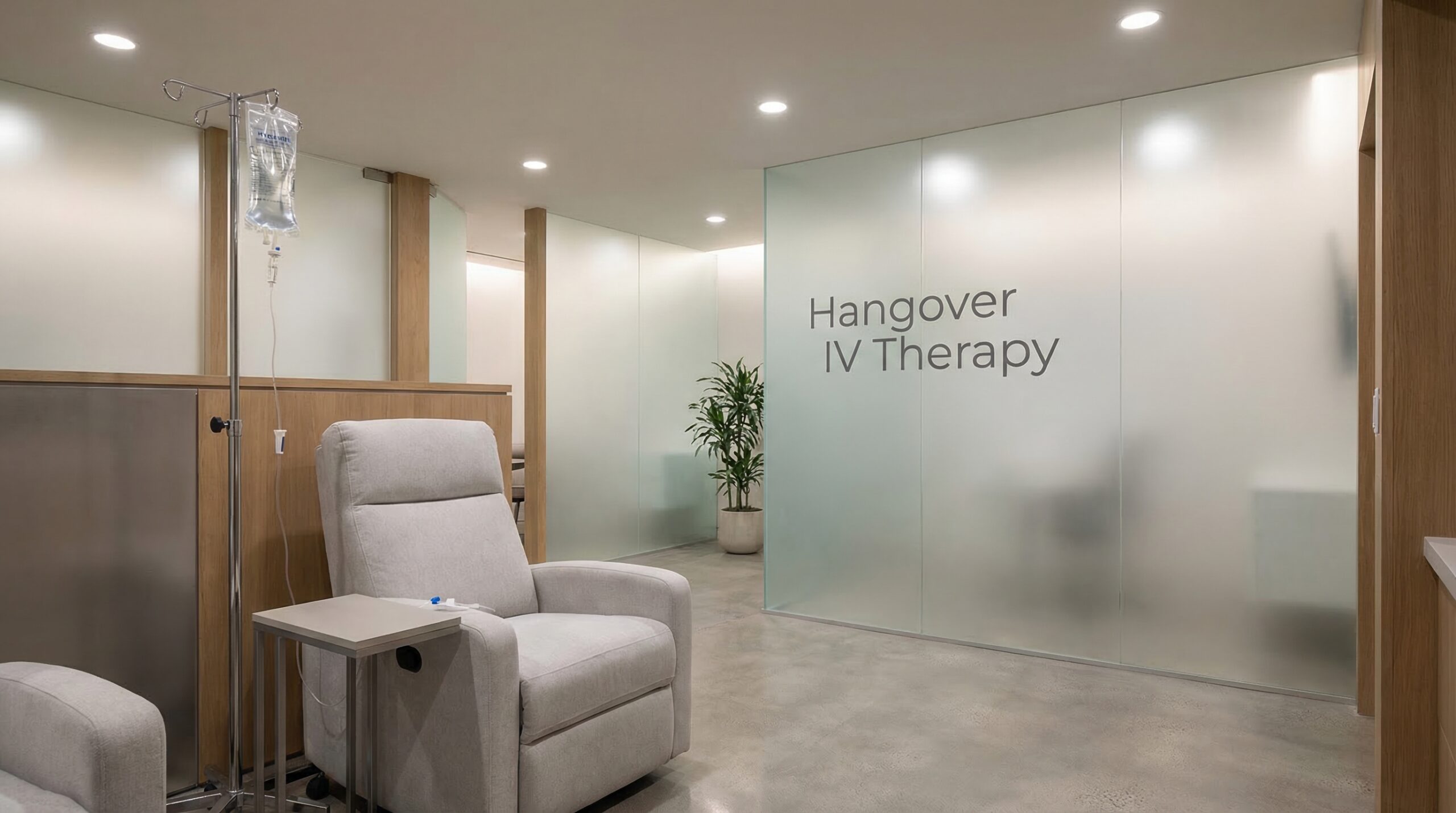
Waking up with a pounding headache, dry mouth, and zero energy after a big night out is something most adults know all too well. If you are searching for an IV drip for hangover because you want fast, reliable relief and to get back to your day, this guide is for you. Below, we explain how hangover IV therapy works, what is typically in the drip, what science actually supports, and how to decide whether it fits your wellness routine.
An IV hangover drip is a medically supervised infusion of fluids, electrolytes, vitamins, and sometimes medications through a small catheter in your vein. It may rapidly improve dehydration, headache, nausea, and fatigue by delivering fluids and nutrients directly into your bloodstream, which bypasses the digestive system and can lead to faster absorption than drinking water or taking oral supplements (Intravenous fluid therapy in adults in hospital, NICE, 2013).
What is an IV drip for hangover and how does it work?
A hangover IV drip is a customized intravenous infusion designed to target the main drivers of hangover discomfort: dehydration, electrolyte imbalance, and nutrient depletion. Alcohol acts as a diuretic, which increases urine output and leads to fluid and electrolyte loss. This contributes to symptoms like dizziness, headache, fatigue, and muscle cramps (Alcohol hangover: mechanisms and mediators, Verster et al., 2010).
During IV therapy, a trained clinician places a small catheter into a vein, usually in your arm, and connects it to a bag containing sterile fluids and nutrients. Because the infusion goes straight into your bloodstream, it bypasses your digestive tract, which can be irritated and less efficient after heavy drinking. IV delivery can achieve nearly 100% bioavailability of the infused nutrients, whereas oral supplements often have lower and more variable absorption (Intravenous vitamin C in clinical practice, Padayatty et al., 2010). This is similar to what is described in IV infusion therapy.
Why bypassing the gut matters when you are hungover
When you are hungover, your stomach and intestines are often irritated. Alcohol can increase stomach acid, slow gastric emptying, and damage the intestinal lining, all of which can worsen nausea and reduce nutrient absorption (Alcohol and the gastrointestinal tract, Bode & Bode, 1997). Trying to chug water, sports drinks, or vitamin pills may help a little, but it relies on a digestive system that is not functioning at its best.
IV therapy avoids this bottleneck. Fluids, electrolytes, and vitamins are immediately available in the bloodstream, where they can support circulation, cellular energy production, and rehydration more quickly than oral options in many cases (Intravenous fluid therapy in adults in hospital, NICE, 2013).

What is usually inside a hangover IV drip?
Formulas vary by provider, but most hangover IV drips include a base solution and several targeted add-ons:
- Isotonic fluids such as normal saline or Lactated Ringer’s to restore circulating volume and support blood pressure and perfusion (Intravenous fluid therapy in adults in hospital, NICE, 2013).
- Electrolytes like sodium, potassium, and magnesium to help correct imbalances that contribute to weakness, cramps, and palpitations (Disorders of fluid and electrolyte balance, Sterns, 2019).
- B-complex vitamins including B1 (thiamine), B6, and B12, which support energy metabolism and nervous system function and are often depleted by heavy alcohol use (Thiamine in the treatment of Wernicke encephalopathy, Sechi & Serra, 2007).
- Vitamin C, an antioxidant that supports immune function and helps neutralize oxidative stress related to alcohol metabolism (Vitamin C in disease prevention and cure, Carr & Frei, 1999).
- Magnesium, sometimes added separately to support muscle relaxation and reduce cramps or tension (Magnesium in disease prevention and overall health, Grober et al., 2015).
- Antioxidants such as glutathione to support the body’s natural detoxification pathways and help process alcohol byproducts like acetaldehyde (Glutathione in the human body, Wu et al., 2004).
- Medications when appropriate, for example an anti-nausea drug like ondansetron or a non-opioid pain reliever, prescribed and administered under medical supervision (Ondansetron for nausea and vomiting, De Oliveira et al., 2012).
The exact combination and doses should be tailored to your medical history, current symptoms, and any medications you take.
What actually causes a hangover?
Understanding why you feel so bad the morning after drinking can help you see how an IV drip addresses specific pieces of the puzzle. Hangovers are complex and involve several overlapping mechanisms rather than a single cause (Alcohol hangover: mechanisms and mediators, Verster et al., 2010).
Dehydration and electrolyte loss
Alcohol suppresses vasopressin, the hormone that helps your kidneys conserve water. As a result, you urinate more, lose fluid, and excrete electrolytes such as sodium and potassium. This contributes to thirst, dry mouth, dizziness, and headaches (Alcohol hangover: mechanisms and mediators, Verster et al., 2010). Hydration-focused solutions such as those explained in IV hydration therapy can address this mechanism.
Inflammation and immune activation
Alcohol and its main metabolite acetaldehyde can trigger inflammatory pathways and immune responses. Elevated inflammatory markers have been observed during hangovers and may contribute to malaise, body aches, and brain fog (Alcohol hangover and cytokine dysregulation, Penning et al., 2010).
Gastrointestinal irritation
Alcohol irritates the stomach lining and increases gastric acid, which can lead to nausea, vomiting, and abdominal discomfort. It can also disrupt the intestinal barrier, allowing more endotoxins to enter the bloodstream and further drive inflammation (Alcohol and the gastrointestinal tract, Bode & Bode, 1997).
Sleep disruption and low blood sugar
Even if you fall asleep quickly after drinking, alcohol disrupts normal sleep architecture, particularly REM sleep. This contributes to fatigue and cognitive sluggishness the next day (Alcohol and sleep I: effects on normal sleep, Roehrs & Roth, 2001). Alcohol can also affect glucose regulation, leading to episodes of low blood sugar that worsen weakness and irritability (Effects of alcohol on carbohydrate metabolism, Zakhari, 2006).
No single intervention can fix all of these processes at once. However, rehydration, electrolyte replacement, and nutrient support can meaningfully reduce several of the most disruptive symptoms.
Does an IV drip really help a hangover?
IV therapy is not a cure for hangovers, but it can be a powerful tool for symptom relief when used appropriately. Research in emergency settings suggests that IV fluids alone do not dramatically shorten recovery time from acute alcohol intoxication, which is different from the hangover phase that occurs after blood alcohol levels return to zero (Intravenous fluids do not hasten ethanol clearance, Li et al., 2013). However, clinical experience and smaller studies support the idea that targeted IV hydration and nutrients can improve specific symptoms such as headache, fatigue, and nausea in many people.
Where IV therapy may help
- Rapid rehydration: Isotonic fluids expand circulating blood volume and can relieve thirst, dizziness, and headaches related to dehydration (Intravenous fluid therapy in adults in hospital, NICE, 2013).
- Electrolyte balance: Replacing sodium, potassium, and magnesium supports nerve and muscle function and may improve weakness and cramps (Disorders of fluid and electrolyte balance, Sterns, 2019).
- Energy and mental clarity: B vitamins are essential co-factors in cellular energy production. Replenishing them intravenously may help with fatigue and brain fog in people whose levels are depleted (Vitamin B12 deficiency, O’Leary & Samman, 2010).
- Symptom-targeted medications: When medically appropriate, IV anti-nausea drugs or pain relievers can provide faster relief than oral versions, especially when you are vomiting or cannot keep pills down (Ondansetron for nausea and vomiting, De Oliveira et al., 2012).
What IV therapy cannot do
It is important to be realistic. An IV drip cannot instantly remove alcohol from your system or erase all of the biological stress caused by heavy drinking. It does not reverse liver damage, cure sleep deprivation, or fully stop inflammation. Even when you feel better, your body still needs time to process alcohol metabolites and recover.
For some people, part of the improvement they feel after an IV session may be related to placebo effects, rest in a calm environment, and reassurance from being cared for by professionals. That does not negate the real physiological benefits of hydration and nutrient delivery, but it is worth acknowledging so you can make informed choices (Placebo effects in medicine, Finniss et al., 2010).
What is in a typical hangover IV drip bag?
Although every IV lounge or clinic builds its own protocols, many hangover formulas share a similar structure. Here is an example of how a drip might be composed:
| Component | Purpose |
|---|---|
| Normal saline or Lactated Ringer’s | Base fluid for rapid rehydration and circulation support |
| Sodium, potassium, magnesium | Electrolyte balance, muscle and nerve function |
| B-complex vitamins (B1, B2, B3, B5, B6) | Energy metabolism, nervous system support |
| Vitamin B12 | Red blood cell formation, neurological support, fatigue reduction |
| Vitamin C | Antioxidant support, immune function |
| Magnesium (additional) | Muscle relaxation, tension and cramp relief |
| Glutathione or other antioxidants | Support for detoxification and oxidative stress reduction |
| Optional medications | Anti-nausea or non-opioid pain relief when clinically appropriate |
At IVTherapy, formulations are designed to support hydration, energy, and recovery while staying within evidence-informed, safety-focused parameters.
Who is a good candidate for a hangover IV drip?
Hangover IV therapy is generally aimed at adults who feel significantly unwell after drinking and want to recover more quickly so they can return to work, travel, family obligations, or important events. It can be particularly appealing if:
- You are struggling with nausea and cannot keep down fluids or food.
- You have a tight schedule and want to minimize lost time the day after a celebration.
- You have tried home remedies like water, sports drinks, and over-the-counter pain relievers with only partial relief.
- You are looking for a structured, medically supervised approach rather than guesswork.
However, not everyone is a candidate. People with certain heart, kidney, or liver conditions, uncontrolled high blood pressure, or specific medication regimens may need to avoid or modify IV therapy because of the risk of fluid overload or electrolyte imbalance (Intravenous fluid therapy in adults in hospital, NICE, 2013). A proper medical screening is essential before any infusion.
What happens during a hangover IV therapy session?
While details vary by provider, a typical session follows a predictable sequence designed for safety and comfort.
1. Brief medical assessment
You will usually complete a health questionnaire and discuss your symptoms, drinking history from the previous night, medications, allergies, and any chronic conditions. A clinician may check your vital signs such as blood pressure, heart rate, and oxygen saturation. This general flow is similar to what you might see in what to expect during IV therapy.
2. Customized drip selection
Based on your assessment, a specific formula and volume are chosen. Someone with prominent nausea might benefit from an anti-nausea medication in the drip, while another person may focus more on energy and cognitive clarity with a B-vitamin and antioxidant emphasis.
3. IV insertion and infusion
A trained nurse or other licensed professional cleans the skin, inserts a small catheter into a peripheral vein, and connects the IV tubing to the fluid bag. The drip rate is set according to your treatment plan and monitored. Most sessions last between 30 and 60 minutes.

4. Monitoring and aftercare
Your comfort and vital signs are observed throughout. After the infusion, the catheter is removed and a small bandage is applied. You will receive guidance about rest, hydration, and what symptoms should prompt medical attention.
Are there risks or side effects from an IV drip for hangover?
When performed by qualified professionals using sterile technique and appropriate screening, hangover IV therapy is generally considered safe. However, no medical or wellness intervention is completely risk free.
Common, usually mild side effects
- Temporary discomfort or bruising at the insertion site.
- A cool or warm sensation in the arm or body as fluids and vitamins infuse.
- Mild lightheadedness, particularly if you stand up too quickly after the session.
Less common but more serious risks
- Infection at the IV site if proper sterile technique is not followed.
- Infiltration or phlebitis, where fluid leaks into surrounding tissue or the vein becomes irritated (Infusion therapy standards of practice, Gorski et al., 2021).
- Fluid overload, which can be dangerous for people with heart failure or kidney disease (Intravenous fluid therapy in adults in hospital, NICE, 2013).
- Electrolyte disturbances if high doses are given without appropriate monitoring.
This is why it is important to share your full medical history, follow pre- and post-care instructions, and choose a provider that operates under medical oversight.
How does an IV drip compare to traditional hangover remedies?
Common home strategies include drinking water, sports drinks, coffee, eating a meal, or taking over-the-counter pain relievers. These can help, but they often work slowly and address only parts of the problem.
Oral hydration vs IV hydration
Oral fluids rely on your digestive system, which may be irritated and less efficient after heavy drinking. IV fluids bypass this limitation and deliver hydration directly into your bloodstream, which can be especially helpful if you are vomiting or unable to drink enough to catch up (Intravenous fluid therapy in adults in hospital, NICE, 2013).
Food and supplements
A balanced meal and oral vitamins support recovery, but absorption can be unpredictable when your stomach is upset. IV therapy can achieve higher and more consistent blood levels of certain nutrients, for example vitamin C and B12, than typical oral doses (Intravenous vitamin C in clinical practice, Padayatty et al., 2010; Vitamin B12 deficiency, O’Leary & Samman, 2010).
That said, IV therapy is not a replacement for long-term healthy habits such as moderate alcohol use, quality sleep, and nutrient-dense eating. It is best viewed as a supportive tool, not a license to overindulge.
How often can you get a hangover IV drip?
Frequency depends on your overall health, lifestyle, and the specific formulas used. Some people use IV therapy occasionally after major events such as weddings or holidays, while others integrate it into a broader wellness routine focused on hydration, energy, or immune support.
Because high-dose IV nutrients and repeated fluid infusions can stress the kidneys and cardiovascular system in susceptible individuals, it is important to work with clinicians who review your medical history and help you determine a safe schedule (Intravenous fluid therapy in adults in hospital, NICE, 2013). Regular heavy drinking itself carries significant health risks, which IV therapy does not erase.
Practical tips to support hangover recovery alongside IV therapy
If you decide to use an IV drip for hangover relief, you can support your body further with simple steps before and after your session:
- Drink water between alcoholic beverages during social events.
- Eat a meal that includes protein, healthy fats, and complex carbohydrates before drinking.
- Prioritize sleep and give yourself time to rest after a big night out.
- Avoid combining alcohol with sedatives or other substances unless specifically directed by a healthcare professional.
- Reflect honestly on your drinking patterns and seek help if you find it difficult to cut back.
When should you seek urgent medical care instead of IV hangover therapy?
Hangover IV therapy is designed for people who are uncomfortable but otherwise stable. It is not appropriate for emergencies. You should seek immediate medical attention or call emergency services if you or someone else experiences:
- Confusion, seizures, or loss of consciousness.
- Chest pain, severe shortness of breath, or palpitations.
- Signs of alcohol poisoning such as slow or irregular breathing, bluish skin, or inability to wake up.
- Vomiting that will not stop, especially if there is blood.
These situations require urgent evaluation in an emergency department, not a wellness-focused IV session.
How to decide if a hangover IV drip fits your wellness routine
In 2026, more people are looking for efficient, medically informed ways to support performance, longevity, and recovery. A hangover IV drip can be part of that toolkit if you:
- Understand it as symptom support rather than a cure.
- Use it occasionally, not as a justification for frequent heavy drinking.
- Choose a provider that prioritizes safety, screening, and evidence-informed formulas.
- Pair it with sustainable habits like hydration, balanced nutrition, and moderate alcohol intake.
If you are curious whether IV therapy is right for you, schedule a consultation with a qualified provider who can review your health history, explain options, and help you design a personalized approach to hydration and recovery.
Ready to explore IV-based recovery and wellness? Talk with a licensed IV provider about your goals, medical history, and lifestyle so you can decide together whether a hangover-focused IV drip or a broader hydration and nutrient protocol fits your needs.
FAQ
How long does it take for an IV drip for hangover to work?
Many people begin to notice improvement in symptoms such as headache, nausea, and fatigue within 30 to 60 minutes of starting an IV hangover drip, as fluids and nutrients reach the bloodstream rapidly. Full recovery still depends on your body finishing alcohol metabolism and catching up on rest.
Is an IV drip for hangover safe?
Hangover IV therapy is generally safe for healthy adults when administered by trained professionals using sterile technique and appropriate screening. However, risks such as infection, bruising, vein irritation, fluid overload, and electrolyte imbalances are possible, especially in people with heart, kidney, or serious chronic conditions, so a medical review is essential.
What is usually in a hangover IV drip bag?
A typical hangover IV drip contains isotonic fluids like normal saline or Lactated Ringer’s, electrolytes such as sodium, potassium, and magnesium, B-complex vitamins, vitamin B12, vitamin C, and sometimes antioxidants like glutathione. In some cases, anti-nausea or non-opioid pain medications are added under medical supervision to target specific symptoms.
Can an IV drip prevent a hangover if I get it before drinking?
Pre-event IV hydration and nutrients may help you start the night better hydrated and nutritionally supported, but they do not make you immune to the effects of heavy alcohol use. You can still experience hangover symptoms, and alcohol-related health risks remain, so moderation is always important.
How often can I safely get a hangover IV drip?
Appropriate frequency depends on your health status, kidney and heart function, and the specific ingredients used. Some people use IV hangover drips occasionally after major events, while others integrate IV therapy into a broader wellness plan. You should work with a qualified clinician to determine a schedule that is safe and appropriate for you.
This blog post is intended for informational purposes only and should not be considered medical advice. Always consult a healthcare professional before making changes to your health routine.
Leave a Reply