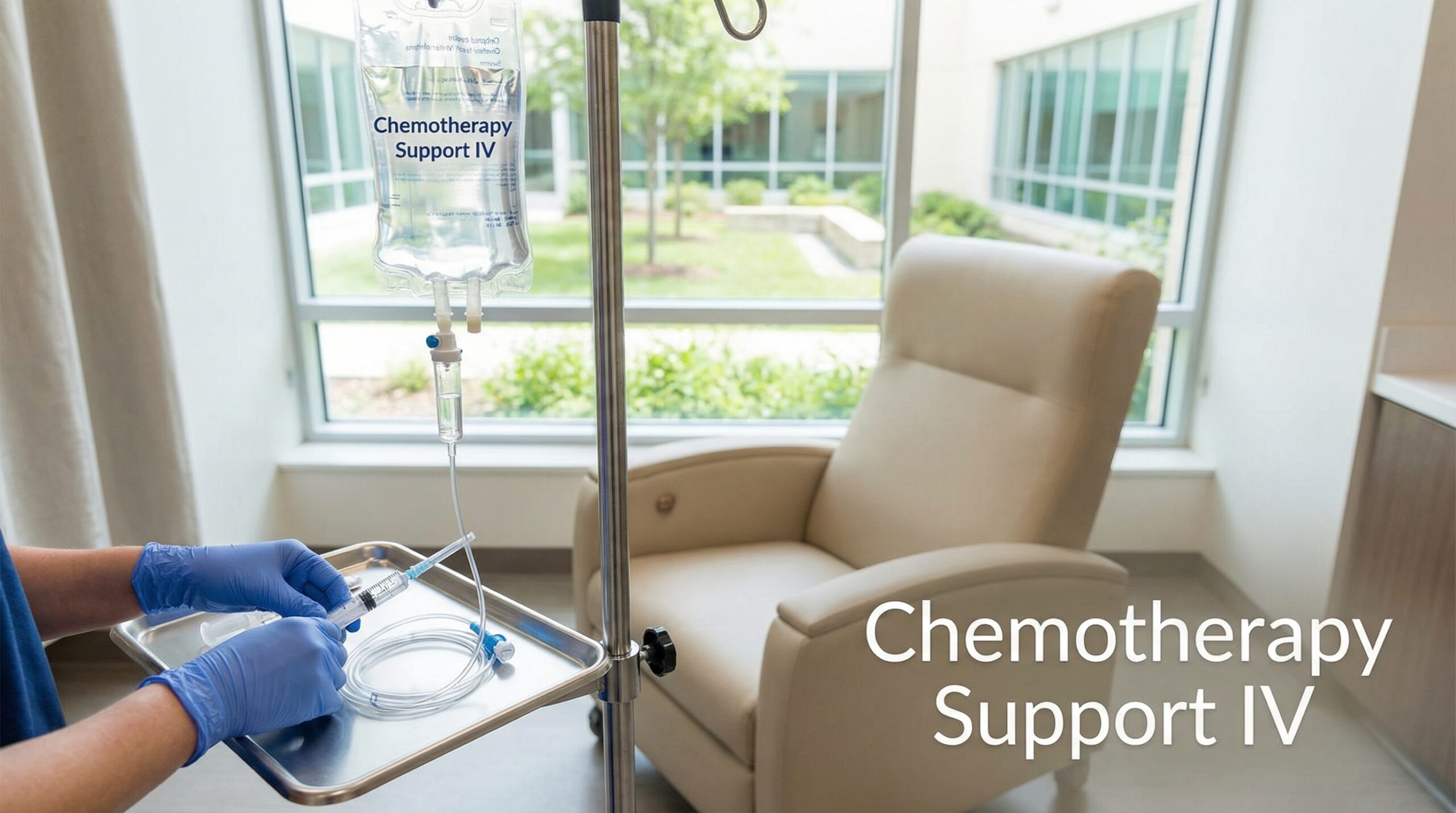
Facing chemotherapy can feel overwhelming, both physically and emotionally. Many people look for safe, evidence-informed ways to feel stronger, stay hydrated, and better tolerate treatment. A chemotherapy support IV is a type of intravenous (IV) nutrient and hydration therapy designed to complement, not replace, your oncology care by targeting common side effects like fatigue, dehydration, and nutrient depletion.
This guide is for patients, caregivers, and anyone exploring supportive options around chemotherapy. You will learn what a chemotherapy support IV is, how it works, what ingredients are commonly used, what the research says about options like IV vitamin C, and how to talk with your oncology team about whether this type of therapy is appropriate for you.
A chemotherapy support IV is an intravenous infusion of fluids, electrolytes, and selected nutrients that is used alongside standard cancer treatment to help manage symptoms such as dehydration, fatigue, and poor appetite. It delivers hydration and micronutrients directly into the bloodstream, bypassing the digestive system, which may help people on chemotherapy maintain energy, support immune function, and improve quality of life. It is not a cancer cure and should only be used under the guidance of your oncology team.
What is a chemotherapy support IV?
A chemotherapy support IV is a customized IV drip that focuses on hydration and nutritional support for people undergoing chemotherapy or radiation. Instead of delivering chemotherapy drugs themselves, these infusions provide fluids and nutrients that can help the body cope with the stress of treatment.
IV therapy means that a sterile solution is delivered through a small catheter into a vein. Because it bypasses the digestive system, IV therapy can achieve higher blood levels of certain nutrients than oral supplements and can be useful when nausea, vomiting, or poor appetite make it difficult to eat or take pills (Intravenous fluid therapy, Mikirova et al., 2012).
Typical goals of a chemotherapy support IV include:
- Restoring and maintaining hydration and electrolyte balance
- Replenishing vitamins and minerals that may be depleted by treatment or low intake
- Supporting energy production and reducing the sensation of fatigue
- Supporting immune function and tissue repair
- Helping patients better tolerate chemotherapy side effects

These infusions are usually administered by trained nurses or other licensed clinicians in a clinical or wellness infusion setting, with protocols individualized based on your diagnosis, lab work, medications, and oncologist recommendations.
How does a chemotherapy support IV work in the body?
Chemotherapy and radiation place heavy demands on the body. They can damage rapidly dividing healthy cells, including those in the digestive tract and bone marrow, and may lead to dehydration, inflammation, and increased oxidative stress (“Cancer treatment related fatigue,” Bower, 2014). A chemotherapy support IV aims to counter some of these stresses in three main ways.
1. Rapid hydration and electrolyte balance
Nausea, vomiting, diarrhea, and poor oral intake are common during chemotherapy and can quickly lead to dehydration and electrolyte imbalances. IV fluids deliver water and electrolytes such as sodium, potassium, and chloride directly into the bloodstream, which can restore volume and support blood pressure and organ function more rapidly than oral fluids (IV therapy, NICE Guideline, 2013).
2. Direct delivery of vitamins and minerals
Many people with cancer experience malnutrition or micronutrient deficiencies due to reduced intake and increased metabolic demands. IV therapy can deliver vitamins and minerals at doses that may be difficult to achieve through diet alone, especially when appetite is poor. Commonly used nutrients include:
- B-complex vitamins to support energy metabolism, red blood cell production, and nervous system function.
- Magnesium for muscle and nerve function.
- Zinc and selenium to support immune function and antioxidant defenses.
Because the infusion bypasses the gut, absorption is not limited by digestive issues. However, higher blood levels also increase the importance of professional dosing and monitoring.
3. Antioxidant and cellular support
Chemotherapy works in part by creating oxidative stress that damages cancer cells, but this can also harm healthy tissues and drive side effects like fatigue and inflammation.
What can a chemotherapy support IV realistically help with?
It is important to be clear about what a chemotherapy support IV can and cannot do.
Common side effects it may help address
- Dehydration: Restoring fluids can improve blood pressure, kidney function, and overall sense of well being.
- Fatigue and weakness: Correcting nutrient deficiencies and optimizing hydration may help some people feel more energetic.
- Poor appetite and weight loss: Improved hydration and nutrient status can sometimes support appetite.
- Cognitive fog: Some patients report clearer thinking.
- Immune resilience: Adequate micronutrient status is important for immune function.
High dose IV vitamin C as chemotherapy support: what does the research say?
Among all nutrients used in chemotherapy support IVs, high dose intravenous vitamin C has attracted the most research interest and debate.
What is typically in a chemotherapy support IV?
Formulations vary between clinics and should always be tailored to the individual.
Is a chemotherapy support IV safe?
IV therapy is a medical procedure and carries real, although usually manageable, risks.
Who might consider a chemotherapy support IV?
Not everyone on chemotherapy needs or will benefit from IV nutrient support.
How to talk to your oncologist about chemotherapy support IV therapy
Open communication with your oncology team is essential when you are considering any complementary therapy.
What to expect during a chemotherapy support IV session
While processes vary by setting, a typical session includes:
- Pre session assessment: Review of your medical history.
- Vital signs: Blood pressure, heart rate.
- IV placement: A small catheter is inserted.
- Infusion: The IV bag is connected.
- Monitoring: Staff check on you regularly.
- Post session: The IV is removed.

Mild side effects like feeling cold or fatigue can occur.
Integrating chemotherapy support IV therapy into a whole person plan
A chemotherapy support IV is only one piece of a broader supportive care strategy (infusion therapy, National Cancer Institute, 2021).
FAQ
How is a chemotherapy support IV different from chemotherapy itself?
A chemotherapy support IV provides hydration, vitamins, minerals, and sometimes antioxidants.
Can a chemotherapy support IV replace my anti nausea or pain medications?
No. Better hydration and nutrient status may help some people feel less nauseated.
Is high dose IV vitamin C safe during chemotherapy?
High dose IV vitamin C has shown promising results as an adjunct in early trials.
How often can I receive a chemotherapy support IV?
Frequency depends on your individual needs, lab values, and response.
Who should avoid chemotherapy support IV therapy?
People with uncontrolled heart failure or severe kidney disease may not be appropriate candidates.
This blog post is intended for informational purposes only and should not be considered medical advice. Always consult a healthcare professional before making changes to your health routine.
Leave a Reply