Festival season brings long days, late nights, and a lot of walking, dancing, and sun exposure. It is an incredible experience, but it can also leave you dehydrated, exhausted, and struggling to get back to normal life. For many people, festival season IV recovery with targeted IV hydration and nutrients has become part of a smarter post-event wellness routine.
This guide is for festival-goers who want to feel better faster after multi-day events, and for anyone curious about how IV therapy may support hydration, energy, and overall recovery in a safe and evidence-informed way.
What is festival season IV recovery and how does it work?
Festival season IV recovery refers to using intravenous hydration and nutrients after festivals to help restore fluid balance, electrolytes, and key vitamins more quickly than drinking water and taking oral supplements alone. During an IV session, a trained professional infuses sterile fluid, usually a saline solution with optional vitamins and minerals, directly into your bloodstream. This bypasses the digestive system so your body can absorb fluids and nutrients more rapidly, which may help ease dehydration-related symptoms such as headache, fatigue, and muscle cramps (Intravenous fluid therapy in adults in hospital, National Institute for Health and Care Excellence, 2013).
Why do festivals leave you so dehydrated and drained?
Festivals combine several factors that increase your risk of dehydration and fatigue. You are often outdoors for hours in warm weather, moving continuously, sometimes drinking alcohol, and not always eating or hydrating consistently. This perfect storm makes fluid and electrolyte loss much more likely.
The role of hydration in your body
Water is essential for regulating body temperature, transporting nutrients and oxygen, maintaining blood pressure, and supporting brain function. Even mild dehydration, around 1–2% of body weight, can impair cognitive performance, mood, and physical endurance (Effects of dehydration on cognitive performance and mood, Adan, 2012). During a festival, that can translate into feeling foggy, irritable, or wiped out long before the weekend is over.
Common dehydration triggers at festivals
- High temperatures and direct sun exposure that increase sweating
- Hours of dancing, walking, and standing that raise fluid needs
- Alcohol consumption, which increases urine output and fluid loss (Alcohol and dehydration, National Institute on Alcohol Abuse and Alcoholism, 2010)
- Limited access to shade and rest
- Irregular meals and low water intake
Symptoms of mild to moderate dehydration can include headache, dizziness, dry mouth, dark urine, fatigue, and muscle cramps. More severe dehydration can contribute to heat exhaustion or heat stroke, which are medical emergencies (Heat-related illnesses, Bouchama & Knochel, 2002). Recognizing these signs early and responding with rest and hydration is an important safety practice.

How can IV therapy support festival recovery?
IV hydration therapy is a medical procedure in which fluids and, when appropriate, nutrients are delivered directly into a vein. In a wellness setting, it is used to support hydration and recovery when oral intake has been inadequate or when people want a more rapid effect.
Direct-to-bloodstream hydration
When you drink water, it must pass through your digestive system before it is absorbed. This is effective, but the rate of absorption can vary depending on stomach contents, gut health, and how much you drink at once. IV fluids bypass the digestive tract and enter your circulation directly, which allows for predictable and rapid expansion of blood volume and rehydration (Principles of fluid therapy, Myburgh & Mythen, 2013). For someone who is depleted after a long festival weekend, this can feel noticeably different from simply sipping water.
Electrolytes and key nutrients
Many festival-oriented IV drips include electrolytes like sodium and potassium, which help regulate fluid balance, nerve function, and muscle contraction. Sodium-containing solutions are commonly used in clinical practice to restore circulating volume and treat dehydration (Intravenous fluid therapy in adults in hospital, National Institute for Health and Care Excellence, 2013). Some wellness protocols also add vitamins such as:
- B vitamins for energy metabolism and nervous system support (B vitamins and energy metabolism, Kennedy, 2016)
- Vitamin C for antioxidant and immune support (Vitamin C and immune function, Carr & Maggini, 2017)
- Magnesium which plays a role in muscle and nerve function and may help with cramps in some individuals (Magnesium in prevention and therapy, Grober et al., 2015)
Evidence for IV vitamin use in healthy people is still emerging, and benefits can vary. Most research on IV fluids is in hospital or medical settings, not festivals, so it is important to view IV recovery as one supportive tool, not a cure-all.
Potential benefits after a festival
When used appropriately and administered by qualified professionals, IV therapy after a festival may help:
- Replenish fluids and electrolytes more quickly than oral intake alone
- Reduce symptoms associated with dehydration such as headache, dizziness, and fatigue
- Support energy levels through hydration and selected nutrients
- Ease muscle soreness and cramps related to overexertion and fluid loss
These effects are not guaranteed, and individual responses differ. However, the underlying mechanism of rapid fluid delivery into the bloodstream is well established in medical practice (Principles of fluid therapy, Myburgh & Mythen, 2013).
What does a festival season IV recovery session involve?
Understanding what to expect can help you decide whether IV therapy fits into your post-festival plan.
Before your session
- Health screening: A qualified provider should review your health history, medications, allergies, and current symptoms to ensure IV therapy is appropriate for you.
- Hydration and food: You are often encouraged to have a light meal and some water beforehand, unless instructed otherwise, to reduce the chance of feeling lightheaded.
- Goals: You can discuss your main concerns, for example severe fatigue, headache, or muscle soreness, so the provider can suggest an appropriate formula within their protocols.
During the drip
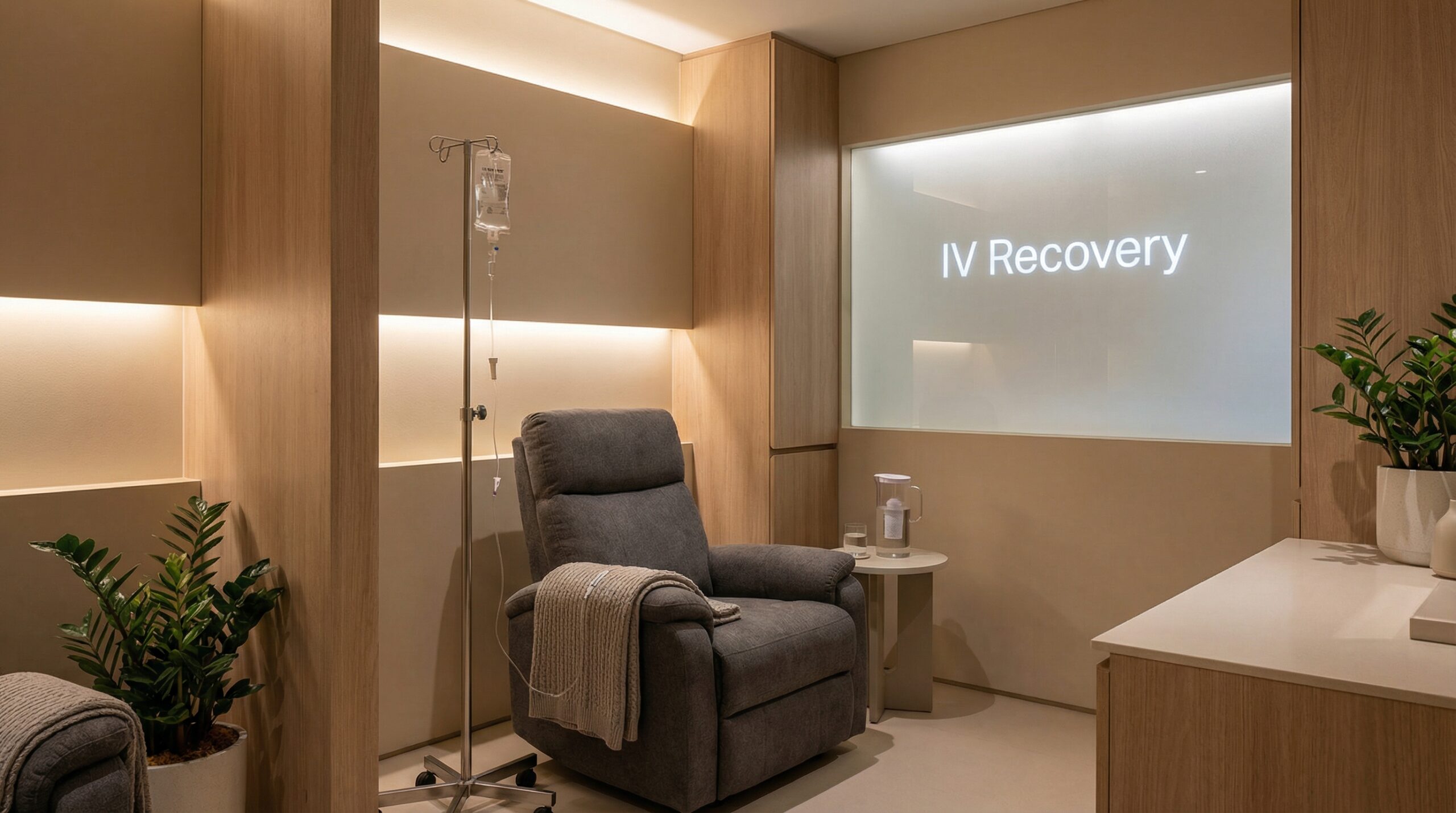
During an IV session, a nurse or trained medical professional inserts a small catheter into a vein, usually in your arm or hand. The IV bag is connected and allowed to infuse over a set period, often between 30 and 60 minutes, depending on the volume and formula. Most people sit or recline in a comfortable chair and can relax, read, or listen to music while the drip runs.
Many festival-goers describe the session itself as a chance to decompress from the intensity of the event. This rest period, combined with hydration, may contribute to feeling more refreshed afterward, although the experience is subjective.
After the session
- Providers may monitor you briefly to ensure you feel stable before you leave.
- You are usually advised to continue drinking water, eat balanced meals, and rest.
- Some people report feeling more energized or clear-headed shortly after; for others the change is more subtle.

As with any wellness service, it is important to listen to your body over the next 24 hours and seek medical care if you feel unwell or if symptoms worsen.
Is IV recovery safe after a festival?
Safety depends on your individual health status, the formulation used, and the qualifications and protocols of the provider.
Who might consider IV therapy with extra caution?
Certain conditions require careful assessment or avoidance of some IV formulations, including:
- Kidney disease or impaired kidney function
- Heart failure or significant heart disease
- Certain electrolyte imbalances
- Pregnancy, unless cleared by a prenatal provider
In people with these conditions, excess fluid or specific electrolytes can pose risks, so a medical professional should review your case before any IV treatment (Intravenous fluid therapy in adults in hospital, National Institute for Health and Care Excellence, 2013).
Possible side effects
When performed by trained staff using sterile technique, IV therapy is generally well tolerated. Still, potential side effects can include:
- Bruising, redness, or discomfort at the injection site
- Temporary lightheadedness or feeling flushed
- Rarely, infection or vein irritation (phlebitis)
- Very rarely, more serious reactions such as allergic responses to ingredients
This is why your provider should review your health history, explain risks and benefits, and obtain informed consent. If you have any chronic conditions or take regular medications, discuss IV therapy with your usual healthcare professional first.
How does IV festival recovery compare to drinking water and oral supplements?
Both oral and intravenous hydration have roles in recovery. They are not mutually exclusive.
Oral hydration and nutrition
Drinking water and electrolyte-containing beverages is the foundation of everyday hydration. Research shows that beverages with electrolytes, especially sodium, help the body retain fluid more effectively than plain water alone in some situations (Beverage hydration index: a randomized trial, Maughan et al., 2015). Eating nutrient-dense foods supports recovery of glycogen stores and provides vitamins, minerals, and amino acids that your body uses to repair and rebuild after exertion.
Where IV therapy may add value
IV fluids are widely used in clinical settings to manage moderate to severe dehydration, especially when people cannot keep fluids down or need rapid volume replacement (Principles of fluid therapy, Myburgh & Mythen, 2013). In a wellness context, festival-goers may choose IV therapy when they:
- Feel significantly depleted despite drinking fluids
- Want a more rapid and predictable rehydration method
- Prefer a one-time, supervised session rather than trying to catch up with fluids over several days
For most healthy people, oral hydration and nutrition will be sufficient, especially if started early and maintained consistently. IV therapy is best viewed as an adjunct that may help you feel better faster, not a replacement for good hydration habits.
How to build a smart post-festival recovery plan
Whether or not you choose IV therapy, planning your recovery can make the transition back to daily life smoother.
1. Prioritize sleep and downtime
Festival schedules often cut into normal sleep, which affects mood, immune function, and physical recovery. Aim for several nights of earlier bedtimes and uninterrupted sleep once you are home. Sleep is a key driver of muscle repair and cognitive recovery (Sleep and athletic performance, Watson, 2017).
2. Rehydrate with intention
- Start with small, frequent sips of water if you feel nauseated or very depleted.
- Include electrolyte-containing fluids such as oral rehydration solutions if you have been sweating heavily or drinking alcohol.
- Monitor urine color; pale yellow usually indicates better hydration than dark amber.
3. Rebuild with nutrient-dense food
Focus on meals that include complex carbohydrates, lean proteins, healthy fats, and a variety of fruits and vegetables. This combination supports glycogen restoration, muscle repair, and micronutrient repletion.
4. Consider where IV therapy fits
If you decide festival season IV recovery belongs in your plan, think about timing. Many people schedule a drip for the day after the festival ends or shortly after returning home. This can align with a broader recovery day that includes rest, nourishing food, gentle movement, and time to reset mentally.
How does IV recovery connect with the new wellness-focused festival culture?
Festival culture is shifting toward a more holistic approach to attendee wellbeing. Many events now include yoga sessions, meditation areas, sober social spaces, and mental health support, recognizing that a healthier crowd is also a safer and more satisfied crowd.
Wellness offerings such as recovery lounges, quiet zones, and hydration-focused services reflect a broader trend: attendees expect support for both their physical and mental state, not only entertainment. Integrating IV hydration into this landscape positions it as one more tool in a comprehensive care environment, alongside water stations, shaded rest areas, and mindful programming.
How to choose a reputable IV therapy provider for festival recovery
If you are considering IV recovery, selecting a safe and professional service is essential.
Key questions to ask
- Are the IVs administered by licensed medical professionals, such as registered nurses or other appropriately credentialed clinicians?
- What is the process for medical screening and informed consent?
- How are IV formulas developed, and are they adjusted based on individual health history?
- What infection control and sterilization protocols are in place?
- Is there access to medical oversight if an adverse reaction occurs?
On-site vs. mobile IV services
Some people prefer visiting a clinic or wellness lounge after the festival, while others opt for mobile IV services that come to their home or accommodation. Mobile services can be convenient when you are exhausted from travel or multi-day events, as long as they maintain the same clinical standards for staff credentials and hygiene as a physical location.
When should you skip IV therapy and seek medical care instead?
IV wellness drips are not a substitute for emergency or urgent medical care. You should seek immediate medical attention instead of a wellness-oriented IV session if you experience:
- Signs of heat stroke, such as confusion, fainting, very high body temperature, or hot, dry skin
- Chest pain, shortness of breath, or severe palpitations
- Persistent vomiting, inability to keep fluids down, or severe abdominal pain
- Seizures or sudden changes in consciousness
In these situations, emergency medical evaluation is critical. Wellness-focused IV therapy is intended for relatively stable individuals who are seeking support with mild to moderate dehydration symptoms or general post-festival fatigue, not for acute medical emergencies.
Bringing it all together: making festival season IV recovery work for you
Festival season is meant to be memorable, not miserable. If you plan ahead, prioritize hydration, and build a thoughtful recovery routine, you can enjoy the experience and still protect your wellbeing. IV hydration can be one component of that plan, particularly if you value rapid, supervised rehydration after intense multi-day events.
Always approach IV therapy as a complement to, not a replacement for, healthy habits such as drinking water regularly, eating balanced meals, sleeping enough, and listening to your body. Discuss your options with a healthcare professional if you have existing medical conditions or concerns.
Ready to explore IV hydration for your next festival season?
If you are curious about how IV hydration might fit into your personal festival recovery strategy, consider speaking with a qualified IV therapy provider who can review your health history, explain available formulas, and help you decide whether a post-festival drip is appropriate for you.
FAQ
How soon after a festival should I get an IV recovery drip?
Many people schedule an IV recovery session within 24 to 48 hours after the festival ends, when they are back in a calm environment and can rest afterward. This timing allows your body to start rehydrating and refueling with food and water, and the IV can then support that process. The best timing for you depends on your schedule, how you feel, and any guidance from your healthcare provider.
Can IV therapy completely prevent a festival hangover?
No, IV therapy cannot completely prevent or erase the effects of heavy alcohol use. It may help address dehydration and electrolyte imbalances, which are part of what people call a hangover, but it does not reverse all the impacts of alcohol on the brain and body (Alcohol and dehydration, National Institute on Alcohol Abuse and Alcoholism, 2010). The most reliable way to reduce hangover symptoms is to drink less alcohol, pace yourself, eat regularly, and hydrate consistently.
Is festival season IV recovery suitable for everyone?
IV therapy is not suitable for everyone. People with certain heart, kidney, or metabolic conditions, those who are pregnant, or anyone with complex medical histories should only consider IV therapy after discussing it with their healthcare professional. A reputable provider will screen you for contraindications and may advise against IV treatment if it is not appropriate for your situation (Intravenous fluid therapy in adults in hospital, National Institute for Health and Care Excellence, 2013).
How long do the effects of an IV recovery drip last?
The duration of effects varies by person and depends on factors such as your baseline health, how depleted you were, your sleep, and your nutrition afterward. Some people feel more energized and clear-headed for a day or two, while others notice a more modest or short-lived change. Continuing to hydrate, eat well, and rest will influence how long you feel the benefits.
Can I rely on IV therapy instead of hydrating during the festival?
No, you should not use IV therapy as a substitute for drinking water and caring for yourself during the festival. Consistent hydration, regular meals, sun protection, and adequate rest are essential for safety and performance. IV therapy is best considered a post-event support option, not a replacement for basic self-care.
This blog post is intended for informational purposes only and should not be considered medical advice. Always consult a healthcare professional before making changes to your health routine.
Leave a Reply