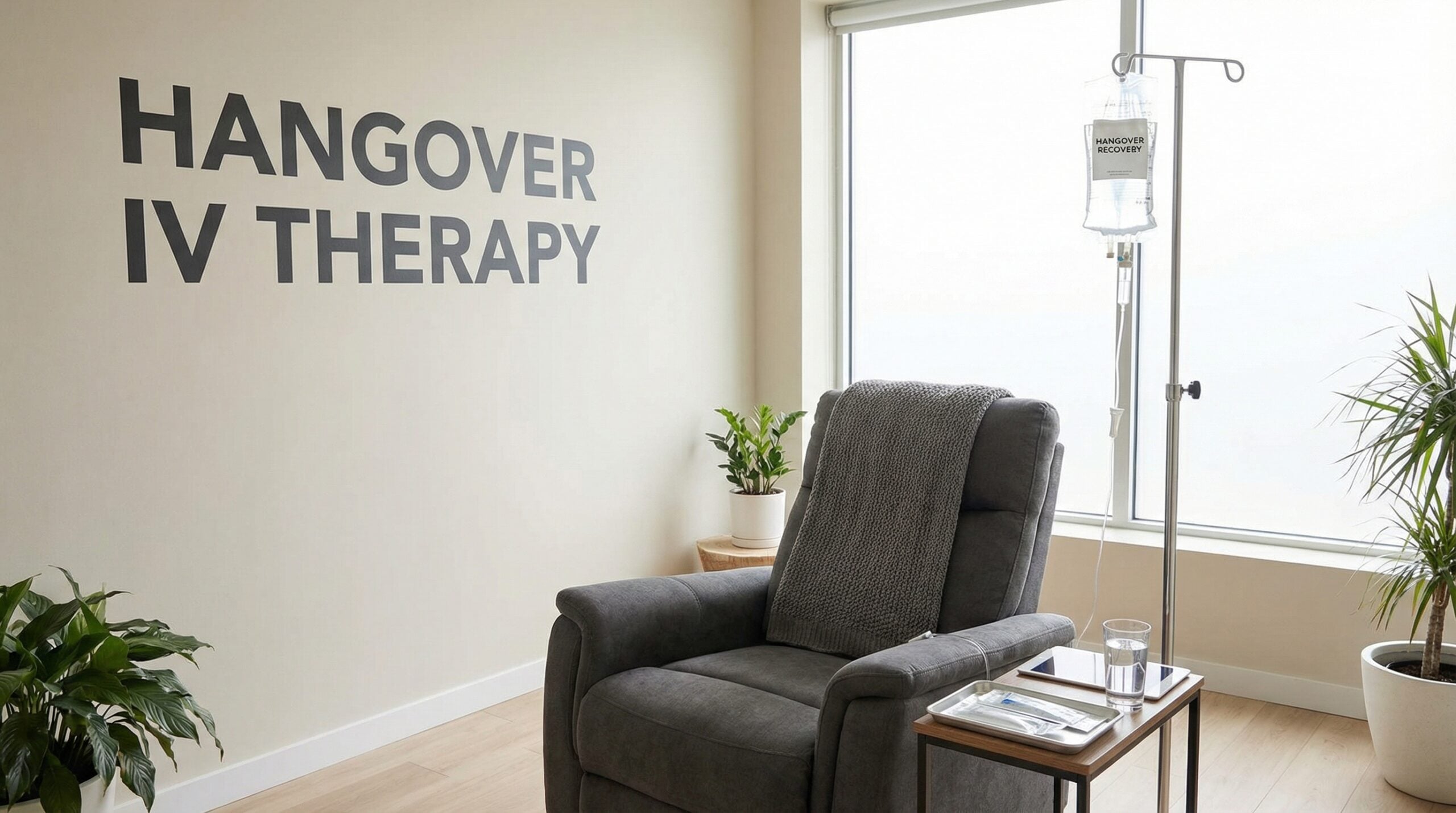
Waking up with a pounding headache, queasy stomach, and zero motivation after a night out can derail your entire day. Many people are now turning to IV vitamin drips as a fast, targeted way to bounce back. In this guide, we break down the best IV therapy for hangover recovery, what is actually in these drips, how they work, and what to consider before booking a session.
This article is for social drinkers, busy professionals, travelers, and anyone who wants to understand how hangover IV therapy fits into a safe, evidence-informed wellness routine.
The best IV therapy for hangover recovery typically combines IV fluids for rapid rehydration with electrolytes, B vitamins, magnesium, vitamin C, and antioxidants, and sometimes medications for nausea or headache. Delivered directly into the bloodstream, these drips may help relieve dehydration, fatigue, and brain fog faster than oral remedies, although they do not “cure” hangovers or replace responsible alcohol use.
What makes an IV the best choice for hangover recovery?
To understand why IV therapy is often considered one of the most effective options for hangover relief, it helps to know what alcohol actually does to your body.
Alcohol acts as a diuretic, which increases urination and leads to fluid and electrolyte loss, contributing to symptoms such as headache, dizziness, thirst, and fatigue (Alcohol hangover: mechanisms and mediators, Verster et al., 2019). It can also irritate the stomach lining, disrupt sleep, increase inflammation, and produce acetaldehyde, a toxic byproduct that affects the liver, brain, and gut (Alcohol metabolism and hangover, Messaoudi et al., 2011).
Because hangovers are driven by dehydration, nutrient depletion, and inflammatory processes, the best IV therapy for hangover recovery focuses on three core goals:
- Rapid rehydration with IV fluids
- Replenishing vitamins and minerals that alcohol depletes
- Supporting detoxification and easing nausea, headache, and fatigue
IV drips deliver fluids and nutrients directly into the bloodstream, bypassing the digestive system. This allows for nearly 100% bioavailability compared with much lower absorption rates from oral supplements, especially when the stomach is irritated (Intravenous vitamin therapy: a review, Deuster & O’Connor, 2017).
Which IV ingredients are best for hangover recovery?
Most hangover-focused IV drips share a common foundation, then layer in additional nutrients or medications depending on your symptoms. Here are the key components you will see in many of the best IV therapy for hangover recovery formulas.
1. Normal saline or balanced IV fluids
At the heart of any effective hangover IV is a liter of normal saline or another balanced crystalloid solution. These fluids restore circulating volume and help correct dehydration much faster than drinking water alone (Fluid therapy in dehydration, Myburgh & Mythen, 2013).
Benefits may include:
- Reduced headache and dizziness
- Improved energy and alertness
- Less dry mouth and intense thirst
2. B-complex vitamins and vitamin B12
B vitamins are heavily involved in energy production, neurotransmitter synthesis, and alcohol metabolism. Research suggests that intake of niacin (B3), vitamin B6, and other B vitamins may be associated with less severe hangovers, likely due to their roles in oxidative stress and metabolism (Nutrient intake and hangover severity, Verster et al., 2018).
A typical hangover IV may include:
- B-complex (B1, B2, B3, B5, B6) to support cellular energy and liver detox pathways
- Vitamin B12 for red blood cell production, nerve health, and mental clarity (Vitamin B12 Fact Sheet, NIH Office of Dietary Supplements, 2021)
Many clients report reduced brain fog and an easier time getting through the day after receiving B vitamins as part of their hangover IV.
3. Magnesium
Alcohol increases urinary losses of magnesium, a mineral that supports muscle and nerve function, energy production, and normal heart rhythm (Magnesium Fact Sheet, NIH Office of Dietary Supplements, 2022). Low magnesium levels may contribute to muscle cramps, tension headaches, and poor sleep.
IV magnesium may help:
- Ease headaches and muscle aches
- Support relaxation and sleep quality
- Stabilize mood and reduce irritability

4. Vitamin C and other antioxidants
Alcohol metabolism generates reactive oxygen species, which can contribute to oxidative stress and inflammation. Vitamin C and glutathione are two antioxidants commonly used in hangover IVs to help neutralize these free radicals (Oxidative stress and alcohol, Albano, 2006).
Evidence suggests that glutathione plays a central role in detoxifying acetaldehyde, the main toxic metabolite of alcohol, and supporting liver health (Glutathione in liver disease, Lu, 2005). While IV antioxidants are not a cure, they may help your body process alcohol byproducts more efficiently.
5. Electrolytes such as sodium, potassium, and calcium
Electrolytes are minerals that help regulate fluid balance, nerve signaling, and muscle contractions. Alcohol-related fluid loss can disturb electrolyte balance, contributing to weakness, fatigue, and palpitations (Electrolyte disturbances in alcoholism, Elisaf et al., 1999).
Depending on the formulation, your hangover IV may include:
- Sodium and potassium to support normal hydration and muscle function
- Calcium to assist nerve and muscle activity
- Magnesium as above, often grouped with electrolytes
6. Optional medications for nausea and pain
Some hangover-focused IV therapies include prescription medications such as ondansetron for nausea or ketorolac for pain and inflammation. Ondansetron blocks specific serotonin receptors involved in vomiting, and is widely used for nausea in medical settings (Ondansetron in the management of nausea and vomiting, Kris et al., 2006). Ketorolac is a nonsteroidal anti-inflammatory drug that can reduce headache and muscle pain (Ketorolac: pharmacology and clinical use, Buckley & Brogden, 1990).
These medications are not appropriate for everyone. Your provider should review your medical history, allergies, and current medications before including them.
How do popular hangover IV formulas compare?
Across the wellness and IV therapy space, certain drip “families” show up again and again because they cover the core needs of hangover recovery. Here is how some of the most common formulations are typically structured.
Myers’ Cocktail for hangover recovery
The Myers’ Cocktail is one of the most well-known wellness IVs. It usually contains a blend of magnesium, B-complex vitamins, vitamin C, and calcium in a fluid base. Originally developed for various conditions including fatigue and migraines, it has become a popular choice for hangover support because it combines hydration, energy support, and antioxidant protection (Intravenous micronutrient therapy (Myers’ Cocktail), Gaby, 2002).
For hangover recovery, a Myers-style drip may help:
- Restore fluids and electrolytes
- Support energy and cognitive function through B vitamins
- Ease headaches and muscle tension with magnesium
- Provide antioxidant support via vitamin C
“Banana bag” style drips
In hospital settings, a “banana bag” is a yellow-colored IV that typically includes saline, thiamine (B1), folic acid, and magnesium sulfate. It is often used for patients with chronic alcohol use who may be deficient in multiple nutrients (Thiamine deficiency in alcohol use disorder, Sechi & Serra, 2007).
Wellness clinics sometimes offer banana bag inspired drips for hangover recovery, highlighting their focus on B vitamins and magnesium for metabolic and neurological support.
Targeted hangover recovery drips
Many IV lounges develop branded “hangover” or “weekend warrior” drips. While names differ, these often include:
- 1 liter of IV fluids
- B-complex vitamins and B12
- Magnesium and other electrolytes
- Vitamin C and sometimes glutathione
- Optional anti-nausea and anti-inflammatory medications
The best IV therapy for hangover recovery is not always about a specific brand name. It is about how well the ingredients align with your symptoms, health status, and goals.
Is hangover IV therapy better than home remedies?
People often ask whether IV therapy is really better than classic hangover remedies like water, coffee, and a greasy breakfast. The answer depends on your expectations and how unwell you feel.
Oral hydration and food are essential, but they rely on a digestive system that may already be irritated by alcohol. In contrast, IV drips deliver fluids and nutrients directly into the bloodstream, which leads to faster and more predictable absorption (Intravenous vitamin therapy: a review, Deuster & O’Connor, 2017).
That said, IV therapy should be viewed as a supportive tool, not a replacement for:
- Moderate alcohol intake
- Drinking water between alcoholic beverages
- Eating balanced meals before and after drinking
- Getting adequate sleep
For many people, especially after major events like weddings or festivals, IV therapy may help reduce the intensity and duration of hangover symptoms so they can salvage the day. It is not a license to drink excessively or a guarantee that you will feel completely normal afterward.
Who is a good candidate for hangover IV therapy?
Hangover-focused IV drips are most often used by:
- Social drinkers who occasionally overdo it at events or celebrations
- Busy professionals who cannot afford to lose a day of productivity
- Travelers managing jet lag plus a night out
- People in hot climates where dehydration can hit harder
However, IV therapy is not right for everyone. You should discuss risks and benefits with a qualified provider if you have:
- Kidney disease or heart failure
- Uncontrolled high blood pressure
- Certain electrolyte disorders
- A history of allergic reactions to IV medications or vitamins
- Pregnancy or breastfeeding
Providers should always take a full health history, review your medications, and explain potential side effects, which can include bruising at the IV site, vein irritation, fluid overload in susceptible individuals, and rare allergic reactions.
How to choose the best IV therapy for your hangover symptoms
Not all hangovers feel the same. Some are dominated by nausea, others by headaches, and some by crushing fatigue and brain fog. When you are selecting the best IV therapy for hangover recovery, consider which symptoms you most want to address.
If nausea is your main problem
Look for a drip that can include an anti-nausea medication under medical supervision, along with fluids, electrolytes, and B vitamins. Ask your provider how they approach dosing and what contraindications they screen for.
If headache and muscle aches dominate
A formula with magnesium, adequate fluids, and an anti-inflammatory medication may be helpful. Magnesium supports muscle and nerve function, and NSAIDs like ketorolac can reduce inflammatory pain when used appropriately (Ketorolac: pharmacology and clinical use, Buckley & Brogden, 1990).
If fatigue and brain fog are your biggest issues
Focus on B-complex vitamins, B12, and antioxidants such as vitamin C and glutathione. These nutrients support mitochondrial energy production and may help your body clear alcohol metabolites more effectively (Glutathione in liver disease, Lu, 2005).
What to expect during a hangover IV session
A typical hangover IV session in a wellness setting usually follows a predictable flow:
- Intake and assessment: A nurse or other licensed provider reviews your medical history, current medications, allergies, and hangover symptoms.
- IV placement: An IV catheter is inserted into a vein in your arm or hand. You may feel a brief pinch.
- Infusion: Fluids and nutrients drip in over 30 to 60 minutes. Many people relax, read, or use their phone during this time.
- Monitoring: Staff should monitor for signs of discomfort, vein irritation, or adverse reactions.

- Aftercare: Once finished, the IV is removed and you can usually resume light activities, continuing to hydrate and rest.
Many clients report feeling some improvement during or shortly after the session, particularly in terms of hydration and mental clarity. Full effects can continue to develop over several hours as your body processes the nutrients.
Can hangover IV therapy be part of a broader wellness plan?
In 2026, IV vitamin therapy is increasingly used not only for post-party recovery but also as part of broader wellness routines. People combine hangover drips with:
- Immune-focused IVs during travel or cold and flu season
- Performance or recovery blends around intense training
- Skin and beauty formulas for hydration and antioxidant support
While occasional hangover IVs can be helpful, it is important not to rely on them as a substitute for healthy habits or as a way to repeatedly compensate for heavy drinking. Long-term wellness still depends on nutrition, sleep, stress management, and moderate alcohol intake.
When should you skip IV therapy and seek medical care instead?
Hangover IV therapy is designed for otherwise healthy adults with typical next-day symptoms after drinking. You should seek urgent medical evaluation instead of a wellness IV if you experience:
- Persistent vomiting or inability to keep down fluids
- Chest pain, shortness of breath, or irregular heartbeat
- Confusion, extreme drowsiness, or difficulty waking
- Seizures or loss of consciousness
- Signs of alcohol poisoning in yourself or someone else
These can be signs of a medical emergency that requires hospital-level care.
How to get the most out of hangover IV therapy
If you decide IV therapy is right for you, a few simple strategies can help you get better results:
- Hydrate with water before and after drinking alcohol
- Eat a balanced meal with protein, healthy fats, and complex carbohydrates before going out
- Avoid mixing many types of alcoholic beverages and limit high-congener drinks like certain dark spirits (Alcohol congeners and hangover, Rohsenow et al., 2000)
- Prioritize sleep after a night out
- Communicate openly with your IV provider about how you feel and what you want to address
FAQ
How fast does hangover IV therapy work?
Many people start to feel relief from symptoms like headache, thirst, and brain fog during the infusion or within an hour afterward. Full benefits can continue to develop over several hours as your body rehydrates and utilizes the vitamins and minerals. Response time varies based on how dehydrated you are, how much you drank, your baseline health, and which ingredients are included in the drip.
Is IV therapy a guaranteed cure for hangovers?
No, IV therapy is not a guaranteed cure and it does not erase all the effects of heavy drinking. It may significantly reduce the intensity and duration of symptoms by addressing dehydration and nutrient depletion, but it cannot fully reverse sleep loss, inflammation, or the impact of very high alcohol intake. Responsible drinking and healthy habits remain essential.
How often can I get hangover IV therapy?
Frequency should be personalized based on your health status and goals. Many people use hangover IV therapy occasionally after big events or travel. Your provider will consider factors such as kidney function, heart health, and medication use before recommending how often IV drips are appropriate for you.
Are there risks or side effects with hangover IV drips?
Potential side effects include temporary discomfort or bruising at the IV site, vein irritation, a metallic taste in the mouth, and in rare cases allergic reactions. People with certain heart, kidney, or electrolyte conditions may be at higher risk of complications from fluid or mineral shifts. A qualified provider will screen for these issues before treatment.
What is usually in the best IV therapy for hangover recovery?
The best IV therapy for hangover recovery typically includes a liter of IV fluids, B-complex vitamins, vitamin B12, magnesium, electrolytes, vitamin C, and sometimes glutathione or medications for nausea and pain. The exact formula can be customized to match your primary symptoms, such as nausea, headache, or fatigue.
This blog post is intended for informational purposes only and should not be considered medical advice. Always consult a healthcare professional before making changes to your health routine.
Leave a Reply