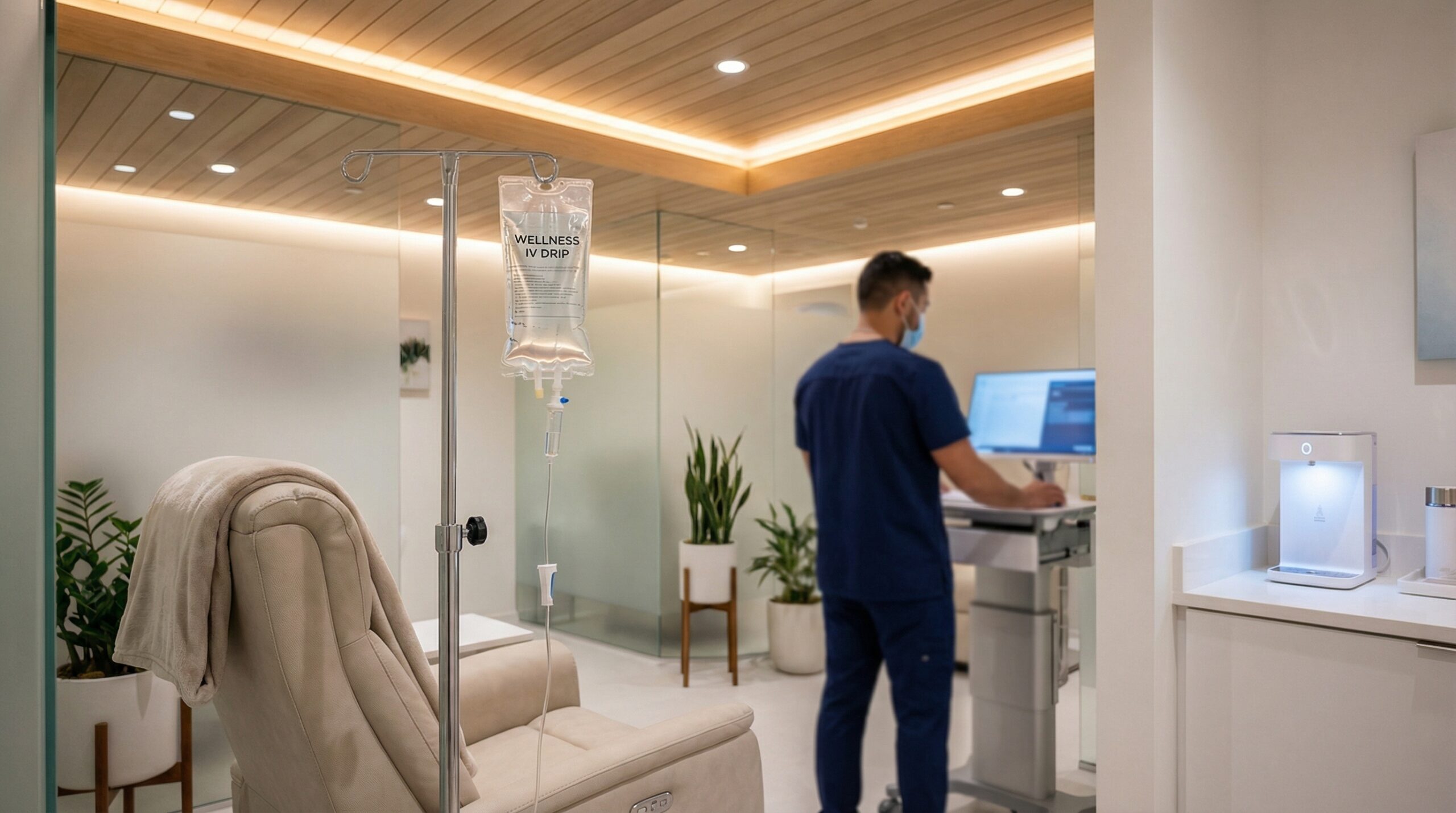
If you have heard friends talk about getting a Wellness IV drip at a spa or IV lounge and you are wondering what it actually does, you are not alone. In 2026, IV vitamin and hydration therapy has moved from hospitals into wellness settings, where people use it to support energy, recovery, skin health, and longevity as part of a broader self-care routine. This guide explains what a Wellness IV drip is, how it works, who it may help, and what to consider before trying it.
What is a Wellness IV drip?
A Wellness IV drip is an intravenous infusion of fluids, vitamins, minerals, and other nutrients delivered directly into your bloodstream through a small catheter placed in a vein. By bypassing the digestive system, IV infusions can achieve higher and more predictable blood levels of certain nutrients compared with oral supplements, which are limited by absorption in the gut and first-pass metabolism in the liver (Intravenous vitamin C in the treatment of disease, Padayatty et al., 2004). Many people explore this alongside vitamin infusion therapy for broader nutritional support.
A Wellness IV drip is a tailored blend of hydration and nutrients, delivered into a vein over 30 to 90 minutes, designed to support specific goals such as energy, immune function, recovery, or skin health. It does not replace a healthy lifestyle, but it may complement good nutrition, sleep, and movement when used under professional supervision.
How does a Wellness IV drip work in the body?
When you take vitamins and minerals by mouth, they must pass through the stomach and intestines, where only a fraction is absorbed, and then through the liver, where some are metabolized before reaching the bloodstream. This is known as first-pass metabolism. Intravenous administration bypasses the gastrointestinal tract and liver on first pass, which allows nutrients to reach higher concentrations in the blood more quickly (Vitamin C pharmacokinetics in healthy volunteers, Padayatty et al., 2004).
Direct delivery and bioavailability
Studies on intravenous vitamin C show that IV delivery can achieve plasma concentrations many times higher than oral dosing, which is not possible with tablets alone (Intravenously administered vitamin C: pharmacokinetics and safety, Hoffer et al., 2008). While most Wellness IV drips use lower doses than clinical research protocols, the same principle applies. Direct IV delivery may be useful when:
- Digestive absorption is impaired
- High nutrient levels are desired for a short period
- Gastrointestinal side effects from oral supplements are a concern

Hydration and electrolyte balance
Many Wellness IV drips start with a base of sterile saline or a balanced electrolyte solution. These fluids help restore hydration and support blood volume, which may be helpful after intense exercise, travel, or mild dehydration. Intravenous fluids can correct fluid and electrolyte imbalances more rapidly than oral intake in appropriate settings (Intravenous fluid therapy in adults in hospital, NICE guideline, 2013).
Cellular support and antioxidant defense
Common Wellness IV drip ingredients include vitamin C, B-complex vitamins, magnesium, zinc, and sometimes glutathione. Vitamin C and glutathione function as antioxidants that help neutralize reactive oxygen species, which are byproducts of normal metabolism and can increase with stress, illness, or intense exercise (Free radicals and antioxidants in normal physiological functions and human disease, Lobo et al., 2010). Magnesium and B vitamins are involved in hundreds of enzyme reactions related to energy production, nerve function, and muscle activity (Magnesium in the central nervous system, Vink & Nechifor, 2011).
What is typically in a Wellness IV drip?
The exact formula depends on your health status, goals, and local regulations, but many Wellness IV drips use combinations of the following ingredients under medical supervision.
Common nutrient categories
- Hydration base: Normal saline or balanced electrolyte solution to support fluid balance.
- Vitamin C: An antioxidant that supports collagen formation, immune function, and protection against oxidative stress (Vitamin C functions and health effects, Li & Schellhorn, 2007).
- B-complex vitamins: Including B1, B2, B3, B5, B6, B12, and folate, which are involved in energy metabolism and nervous system function (B vitamins and the brain, Kennedy, 2016).
- Magnesium: A mineral that plays a role in muscle and nerve function, energy production, and blood pressure regulation (Magnesium in the central nervous system, Vink & Nechifor, 2011).
- Zinc: Supports immune function and wound healing (Zinc in human health, Prasad, 2014).
- Glutathione: A naturally occurring antioxidant involved in detoxification and cellular defense against oxidative damage (Glutathione metabolism and its implications for health, Wu et al., 2004).
- Amino acids: Sometimes included to support recovery and muscle repair.
- NAD+ precursors: In some clinics, NAD+ or its precursors are used for cellular energy and longevity-focused protocols, although clinical outcome data are still emerging (NAD+ metabolism and therapeutic potential, Rajman et al., 2018).
Example Wellness IV drip categories
While names vary across providers, Wellness IV drips are often grouped by goal:
- Energy and performance: B vitamins, magnesium, amino acids, and sometimes NAD+ related formulations aimed at supporting energy production and recovery.
- Immune support: Vitamin C, zinc, B vitamins, and hydration to support normal immune function, particularly during periods of stress or travel.
- Skin and glow: Vitamin C, glutathione, and hydration to support collagen production and antioxidant defense in the skin.
- Recovery and hydration: Electrolytes, fluids, and B vitamins for post-exercise, post-travel, or general fatigue recovery.
- Cellular wellness and longevity: Nutrient blends that may include NAD+ or precursors, antioxidants, and minerals, positioned within broader longevity and cellular health programs (NAD+ metabolism and therapeutic potential, Rajman et al., 2018).
What are the potential benefits of a Wellness IV drip?
People typically seek a Wellness IV drip for one or more of the following reasons. It is important to remember that responses are individual, and research is still evolving for many wellness-focused applications.
Hydration and recovery
IV fluids can rapidly correct mild to moderate dehydration in medical settings, and the same principle applies to wellness contexts when used appropriately. Hydration supports blood flow, temperature regulation, and delivery of nutrients and oxygen to tissues (Intravenous fluid therapy in adults in hospital, NICE guideline, 2013). Some people report faster recovery after intense exercise, travel, or busy periods when combining hydration, rest, and nutrition. Many of these goals overlap with Recovery IV therapy approaches.
Support for nutrient status
IV vitamin therapy may help correct or prevent deficiencies in people who have increased needs or reduced absorption, such as certain gastrointestinal conditions, although these uses should be overseen by a qualified clinician (Guidelines for parenteral nutrition, ASPEN Board of Directors, 2002). For generally healthy individuals, IV drips are usually framed as a way to support optimal nutrient status rather than treat a diagnosed deficiency. Emerging evidence suggests that IV nutrient combinations such as the classic “Meyer’s cocktail” may reduce pain and improve quality of life in some conditions, although studies are small and more research is needed (Intravenous micronutrient therapy in fibromyalgia, Ali et al., 2000).
Immune and antioxidant support
Vitamin C and glutathione are frequently used for their antioxidant roles. Vitamin C contributes to normal immune function and protects cells from oxidative stress (Vitamin C functions and health effects, Li & Schellhorn, 2007). Glutathione participates in detoxification pathways and helps maintain redox balance in cells (Glutathione metabolism and its implications for health, Wu et al., 2004). Some small studies suggest that high-dose intravenous vitamin C may reduce duration or severity of certain infections, but results are mixed and doses used in research are typically higher than in standard wellness drips (Vitamin C and infections, Hemila, 2017).
Energy, focus, and mood
B vitamins, magnesium, and NAD+ related compounds are involved in mitochondrial energy production and neurotransmitter synthesis, which may explain why some people report improved energy or mental clarity after a Wellness IV drip (NAD+ metabolism and therapeutic potential, Rajman et al., 2018; B vitamins and the brain, Kennedy, 2016). However, placebo effects and the influence of rest and hydration during the session likely contribute, and robust clinical trials in healthy populations are limited.
Skin health and aesthetic support
Vitamin C is essential for collagen synthesis, and adequate vitamin C status is associated with healthier skin and better wound healing (Vitamin C and skin health, Pullar et al., 2017). Glutathione has been studied for skin lightening in some populations, but evidence is mixed and safety data for long-term high-dose use are limited (Glutathione as a skin-lightening agent, Watanabe et al., 2014). In a wellness context, these nutrients are usually positioned as part of a broader skin health strategy that focuses on sun protection, nutrition, and lifestyle.
How does a Wellness IV drip session typically work?
While every clinic has its own process, a safe and professional Wellness IV drip experience usually follows a structured pathway.
1. Consultation and screening
Before your first drip, you should complete a medical questionnaire and have a consultation with a qualified practitioner. This is an opportunity to discuss your health history, medications, allergies, and goals. Many evidence-based programs also use baseline blood work or other tests to personalize nutrient choices and monitor progress over time (The wellness industry and personalized medicine, Global Wellness Institute, 2023).
2. Customized formulation
Based on your assessment, the practitioner selects or adjusts a Wellness IV drip formula that matches your needs and local regulations. In some countries, certain ingredients such as high-dose vitamin C or glutathione require a prescription. Reputable providers use sterile, pharmacy-grade products and follow established protocols for mixing and administration.
3. IV placement and infusion
A nurse or other qualified healthcare professional inserts a small IV catheter into a vein, usually in the arm or hand. The drip is connected and allowed to run over 30 to 90 minutes, depending on the formula and your circulation. Many people relax, read, or listen to music during the session. Vital signs and comfort should be monitored throughout.

4. Aftercare and follow-up
After the infusion, the IV is removed and a small dressing is applied. You may be advised to drink water, eat a light snack, and avoid strenuous activity for a short period. Some people feel energised right away, while others notice more subtle changes over 24 to 48 hours. The practitioner may recommend a schedule for repeat sessions, which can range from occasional visits to structured programs, depending on your goals and health status.
Is a Wellness IV drip safe?
When administered by trained professionals using sterile technique and appropriate screening, Wellness IV drips are generally considered low risk for healthy individuals. However, no medical procedure is risk free, and IV therapy is not suitable for everyone. To learn what to look for in a provider, see quality IV services guidance.
Common, usually mild side effects
Reported side effects of IV vitamin therapy include temporary discomfort at the insertion site, bruising, a cool sensation in the arm, mild dizziness, or headache. Some people may experience changes in blood pressure or heart rate during the infusion, particularly if the drip runs too quickly (Safety of intravenous vitamin therapies, Gaby, 2002).
Less common but more serious risks
Rare complications can include vein irritation (phlebitis), infiltration of fluid into surrounding tissue, infection at the insertion site, or allergic reactions to components of the drip. Electrolyte imbalances or fluid overload can be a concern in people with kidney, liver, or heart conditions (Guidelines for parenteral nutrition, ASPEN Board of Directors, 2002). This is why thorough screening and medical oversight are essential.
Who should avoid or be cautious with IV drips?
A Wellness IV drip may not be appropriate if you have:
- Chronic kidney disease or significantly reduced kidney function
- Congestive heart failure or certain heart rhythm problems
- Uncontrolled high blood pressure
- Known allergies to any components of the formula
- Active infection or sepsis that is not being treated in a hospital
- Pregnancy or breastfeeding, unless specifically cleared by your obstetric provider
Always discuss your full medical history with the provider and consult your primary healthcare professional before starting IV therapy.
How does a Wellness IV drip compare with oral supplements?
Both IV drips and oral supplements can play a role in supporting health. The right choice depends on your goals, health status, and budget.
| Factor | Wellness IV drip | Oral supplements |
|---|---|---|
| Absorption and bioavailability | Bypasses the gut, can achieve higher and more predictable blood levels for certain nutrients (Intravenous vitamin C in the treatment of disease, Padayatty et al., 2004). | Limited by digestion and first-pass metabolism; typical bioavailability lower for some nutrients. |
| Onset of effect | Rapid, often within minutes to hours. | Gradual, days to weeks. |
| Convenience | Requires in-person visit and professional administration. | Can be taken at home. |
| Cost | Higher per session; considered a premium service. | Generally lower cost per day. |
| Gastrointestinal side effects | No direct GI irritation, but IV-related risks exist. | May cause nausea, stomach upset, or loose stools in some people. |
| Best use case | Targeted support, rapid repletion, or when absorption is impaired. | Long-term maintenance and daily nutritional support. |
How often can you get a Wellness IV drip?
There is no single schedule that fits everyone. Frequency should be individualized based on your health status, lab results where appropriate, and how you respond. Some people choose an occasional drip before or after travel, during a busy season, or after an intense event. Others follow a structured plan, such as weekly or monthly sessions, as part of a broader wellness or longevity program. Responsible providers will review your progress regularly and adjust or pause treatments as needed, rather than encouraging indefinite high-frequency use.
How to choose a safe Wellness IV drip provider
As interest in IV therapy grows, it is important to choose a provider that prioritizes safety, regulation, and professional standards. This aligns closely with guidance for professional IV therapy selection.
Key questions to ask
- Who performs the consultation and oversees care? Look for registered nurses, nurse practitioners, or physicians with relevant experience.
- Where do the IV solutions and nutrients come from? They should be pharmacy-grade and sourced from reputable suppliers.
- What screening is done before treatment? A detailed health history, medication review, and, when appropriate, lab work are important.
- What protocols are in place for handling side effects or emergencies?
- Are doses and ingredients tailored to you, or is it a one-size-fits-all approach?
Where does a Wellness IV drip fit in a holistic wellness plan?
Current wellness trends point toward a “cellular wellness” approach that combines movement, nutrition, stress management, and targeted therapies like IV drips, infrared sauna, and recovery modalities. Data from major wellness platforms show rising interest in IV therapy, IV infusion, hydration IVs, and glutathione alongside spa-based services such as sauna, steam, and massage, which suggests people are building hybrid routines that blend medical-style interventions with relaxation and nervous-system support (Global wellness trends and search data, Fresha Insights, 2025).
Used thoughtfully, a Wellness IV drip can be one tool in a broader strategy that includes:
- Consistent sleep and circadian rhythm support
- Balanced nutrition with adequate protein, healthy fats, and fiber
- Low-impact movement and strength training for longevity
- Stress management practices such as breathwork, meditation, or massage
- Regular health check-ups and appropriate lab testing
When might a Wellness IV drip be worth discussing with a provider?
You might consider asking a healthcare professional about Wellness IV drips if you:
- Have persistent fatigue or recovery issues despite good sleep and nutrition
- Travel frequently or work irregular hours and struggle with hydration and immune resilience
- Are building a longevity-focused plan and want to understand where IV therapy fits
- Have difficulty tolerating or absorbing certain oral supplements, and your clinician is exploring alternatives
In each case, IV therapy should be considered alongside, not instead of, foundational lifestyle and medical care.
FAQ
How long do the effects of a Wellness IV drip last?
Many people report feeling benefits such as improved energy or hydration for several days after a Wellness IV drip, although this varies by individual, formula, and baseline health. Nutrient levels may remain elevated in the blood for hours to days, but long-term outcomes depend on your overall lifestyle, diet, and medical care.
Can a Wellness IV drip replace my daily vitamins?
No. A Wellness IV drip is not intended to replace a balanced diet or appropriate daily supplementation where needed. IV infusions can provide a targeted boost or help address specific needs under supervision, but ongoing nutrition should come primarily from whole foods and, when indicated, oral supplements recommended by your healthcare provider.
How quickly will I feel results from a Wellness IV drip?
Some people feel changes such as increased energy, clearer thinking, or a sense of hydration during or shortly after the infusion. Others notice more gradual effects over 24 to 48 hours. A subset of people may not feel a clear difference, even though nutrient levels have transiently increased. Individual response depends on many factors, including baseline status, sleep, stress, and expectations.
Is a Wellness IV drip painful?
The most uncomfortable part is usually the brief needle insertion when the IV is started. After that, most people feel only mild pressure or coolness in the arm. If you experience burning, significant discomfort, or dizziness during the infusion, you should alert the provider immediately so they can adjust the rate or stop the drip.
Can I get a Wellness IV drip if I have a medical condition?
It depends on the condition. Some people with stable chronic illnesses may be able to receive carefully selected IV formulations under close medical supervision, while others, such as those with significant kidney, heart, or liver disease, may be advised to avoid IV therapy. Always discuss your full medical history with both your usual healthcare professional and the IV provider before proceeding.
This blog post is intended for informational purposes only and should not be considered medical advice. Always consult a healthcare professional before making changes to your health routine.
Leave a Reply