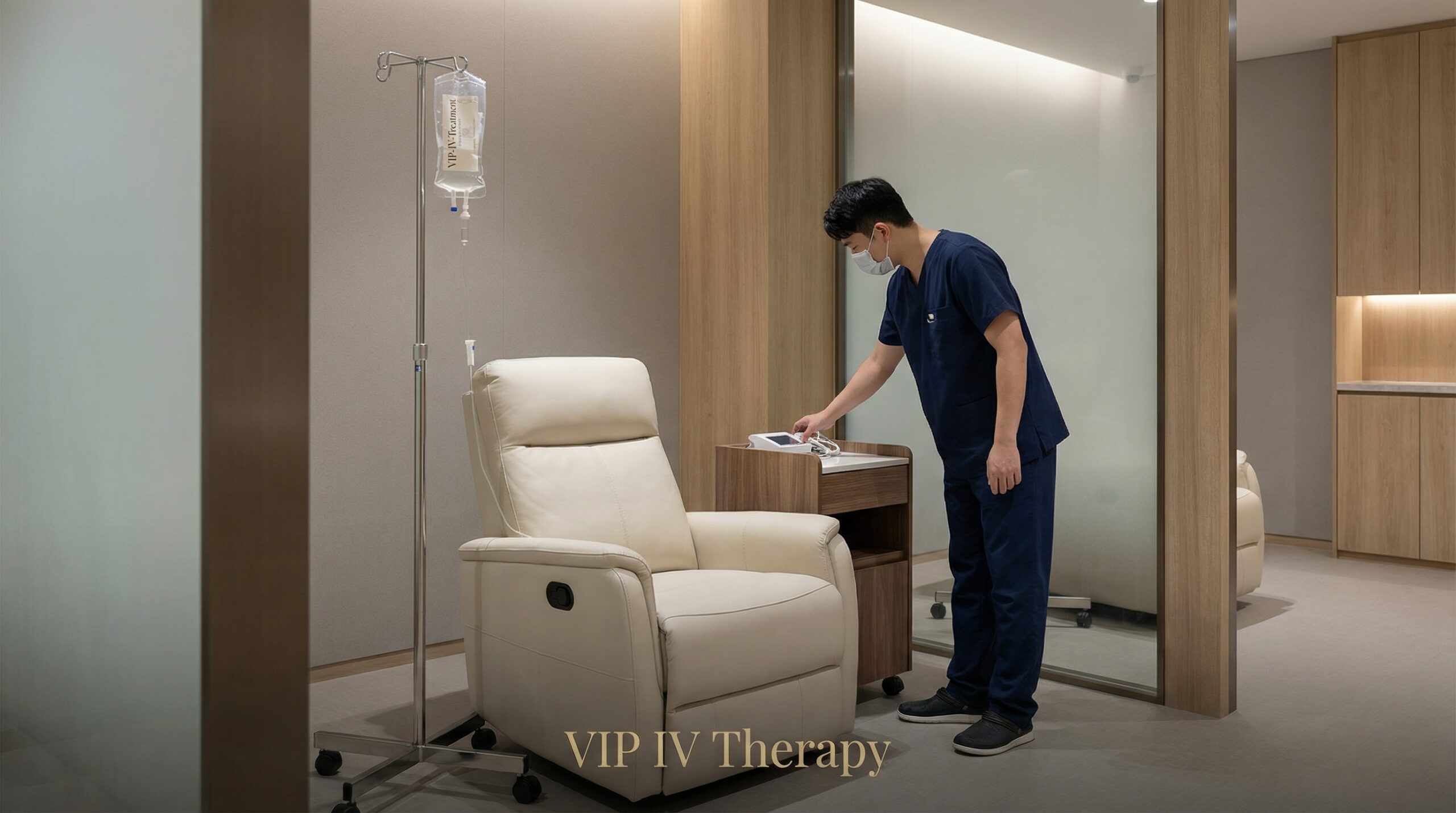
VIP IV treatment has become a go-to option for people who want more than a basic vitamin drip. It is designed for busy professionals, frequent travelers, high-performing athletes, and anyone who values concierge-level wellness care, combining advanced IV nutrient therapy with a premium, personalized experience in a spa-like setting.
In this guide, you will learn what VIP IV treatment is, how it works, who it may benefit, what to expect during a session, and how to decide whether it fits into your long-term health and performance routine. We will also cover safety, evidence, and key questions to ask before you book.
VIP IV treatment is a customized intravenous hydration and nutrient infusion, delivered by medical professionals in a private, comfort-focused environment, that aims to rapidly support energy, recovery, immune function, and overall wellness by delivering fluids, electrolytes, vitamins, and other nutrients directly into the bloodstream for higher bioavailability compared with oral supplements (Intravenous vitamin C in clinical practice, Carr, 2022).
What is VIP IV treatment?
VIP IV treatment is an elevated form of IV vitamin and hydration therapy that focuses on personalization, privacy, and a concierge-style experience. Instead of a one-size-fits-all drip, VIP protocols are typically tailored to your goals, such as:
- Improved energy and focus
- Faster recovery after travel, illness, or intense training
- Immune support during high-stress or high-exposure periods
- Skin and beauty support through antioxidant-rich blends
- General wellness and longevity-focused care
Most VIP IV treatment plans are built around a consultation that reviews your health history, medications, lifestyle, and goals. In more advanced settings, bloodwork or lab testing may be used to refine nutrient selection and dosing, which aligns with the broader move toward personalized medicine and precision wellness (Toward Precision Medicine, Mirnezami, 2012).
How does VIP IV treatment work in the body?
When you receive a VIP IV drip, fluids and nutrients are infused directly into a vein and enter your bloodstream immediately. This bypasses the digestive system, where absorption of oral vitamins can be limited by factors such as gut health, medications, and individual variability (Bioavailability of oral vs intravenous vitamin C, Lykkesfeldt, 2019).
Typical components of a VIP IV treatment may include:
- Balanced fluids and electrolytes such as sodium, potassium, and magnesium to support hydration, nerve function, and muscle performance (Fluid and Electrolyte Management, Ayus, 2019).
- B-complex vitamins to support energy metabolism and nervous system function (Vitamin B12 Fact Sheet, NIH ODS, 2021).
- Vitamin C for immune support and antioxidant activity; high plasma levels are achievable only through IV dosing (Vitamin C pharmacokinetics, Padayatty, 2017).
- Minerals such as zinc and selenium that are involved in immune cell function and antioxidant defense (Zinc and immune function, Maares, 2018).
- Antioxidants like glutathione, which help neutralize reactive oxygen species and may support detoxification pathways (Glutathione in health and disease, Wu, 2016).
By delivering these ingredients intravenously, VIP IV treatment can achieve higher and more predictable blood levels than most oral products, which is why many clients report feeling effects such as improved hydration, clarity, or reduced fatigue within hours. Responses vary significantly between individuals, and IV therapy should be viewed as one tool within a broader wellness strategy, not a stand-alone cure.

Who is VIP IV treatment for?
In 2026, IV therapy has moved from hospital-only care into mainstream wellness, with many people using it as part of a proactive health routine rather than a last-resort intervention. VIP IV treatment is particularly suited to people who value both results and experience, including:
- Executives and entrepreneurs managing high stress and long hours
- Frequent flyers dealing with jet lag, disrupted sleep, and dehydration
- Athletes and active individuals seeking structured recovery support
- Clients focused on longevity, healthy aging, and performance optimization
- People with busy schedules who prefer efficient, concierge-style care
For some individuals with digestive issues or conditions that impair nutrient absorption, IV delivery may be a way to achieve adequate micronutrient status under medical supervision (Micronutrient malabsorption in GI disease, Ghoshal, 2021). However, VIP IV treatments are typically marketed for generally healthy people who want to feel and function at a higher level, rather than as primary treatment for serious disease.
Common goals and types of VIP IV treatment
Most VIP IV menus are organized around specific outcomes. While exact formulations differ by clinic and region, you will often see protocols tailored to these goals.
Energy and mental clarity
Energy-focused VIP IV treatment usually combines B vitamins, magnesium, amino acids, and balanced fluids. B vitamins play a central role in cellular energy production, especially in mitochondrial pathways that generate ATP (B vitamins and energy metabolism, Kennedy, 2016). Magnesium is involved in hundreds of enzymatic reactions, including those related to muscle and nerve function.
Clients often choose this style of drip when they feel run down, are preparing for a demanding period at work, or want to support recovery from intense training blocks.
Immune support and resilience
Immune-supportive VIP IV protocols typically feature vitamin C, zinc, selenium, B-complex vitamins, and sometimes amino acids. Vitamin C contributes to normal immune function and supports white blood cell activity; IV administration can achieve much higher plasma concentrations than oral dosing, which may be relevant in certain clinical contexts (Vitamin C and immune function, Carr, 2017).
Emerging evidence suggests that adequate zinc and selenium status is important for optimal immune responses, although high-dose supplementation should be individualized to avoid toxicity (Selenium and immunity, Avery, 2020). Many people use immune-focused VIP IV treatment preventively during high-stress seasons or before travel.
Hydration, recovery, and athletic performance
Hydration and recovery drips focus on restoring fluid balance and electrolytes, sometimes with added amino acids to support muscle repair. Proper hydration is known to influence cardiovascular function, thermoregulation, and physical performance, and even mild dehydration can impair cognitive and physical tasks (Hydration and health, Popkin, 2010).
Athletes may integrate VIP IV treatment around key events or heavy training weeks as part of a broader recovery plan that also includes sleep, nutrition, and periodized recovery.
Skin, beauty, and healthy aging
Beauty and longevity-oriented VIP drips often pair vitamin C and B vitamins with antioxidants such as glutathione and sometimes alpha-lipoic acid. Vitamin C is essential for collagen synthesis, which supports skin structure, and its antioxidant properties may help reduce oxidative damage from environmental stressors (Vitamin C in skin health, Pullar, 2017).
Glutathione is frequently marketed for detox and skin-brightening, but clinical evidence for cosmetic outcomes is still emerging and mixed; any expectations should be realistic and discussed with a qualified provider (Glutathione for skin lightening, Handog, 2016).
What happens during a VIP IV treatment session?
While every clinic has its own style, a typical VIP IV visit follows a structured process designed to prioritize safety and comfort.
1. Consultation and screening
You will usually complete a health questionnaire and discuss your goals with a healthcare professional. They may ask about:
- Medical conditions and medications
- Allergies, especially to medications or preservatives
- Previous reactions to IV therapy
- Hydration status, lifestyle, and current symptoms
Based on this information, the provider recommends an appropriate VIP IV treatment formula and dosing, or advises against IV therapy if it is not suitable for you.
2. Setup and insertion
A licensed clinician cleans the skin and inserts a small IV catheter into a vein, usually in your arm or hand. The IV bag is connected, and the infusion rate is adjusted according to your needs and the specific formulation. VIP settings often provide private or semi-private rooms, comfortable seating, blankets, and options to read, work, or relax during the session.
3. Monitoring and aftercare
During the infusion, staff monitor you for comfort and any signs of side effects. A typical session lasts 30 to 90 minutes, depending on the volume and ingredients. After the drip is complete, the IV is removed and a small bandage is applied.
Many clients feel normal or slightly energized afterward, although some may feel temporarily tired as the body adjusts. You are usually encouraged to monitor how you feel over the next 24 hours and report any concerning symptoms.

Benefits and limitations of VIP IV treatment
Understanding both the potential benefits and the limitations of VIP IV treatment helps you make an informed decision.
Potential benefits
- Rapid rehydration: IV fluids bypass the gut and enter circulation directly, which can correct fluid deficits more quickly than oral intake in appropriate settings (Intravenous fluid therapy, Myburgh, 2018).
- High bioavailability of nutrients: Intravenous vitamins and minerals avoid first-pass metabolism and gastrointestinal absorption limits, leading to higher peak blood levels (Vitamin C pharmacokinetics, Padayatty, 2017).
- Personalized protocols: VIP IV treatment can be customized to support specific goals such as energy, immune support, or recovery, and in some cases is guided by lab testing.
- Experience and convenience: Private rooms, flexible scheduling, and mobile or at-home options create a concierge feel that fits busy lifestyles, reflecting broader trends in professional IV therapy.
Important limitations
- Not a replacement for healthy habits: VIP IV treatment cannot substitute for sleep, nutrition, movement, and stress management. It should be an adjunct, not a foundation.
- Variable evidence for wellness indications: While IV therapy is well established for medical uses such as severe dehydration, evidence for benefits like detox or general fatigue in otherwise healthy individuals is still limited and evolving (Glutathione in health and disease, Wu, 2016).
- Cost and access: VIP IV treatment is usually an out-of-pocket expense and can be a significant ongoing investment.
Is VIP IV treatment safe?
When performed by trained professionals using sterile technique and appropriate screening, IV therapy is generally considered safe for many people. However, it is still a medical procedure and carries risks. Reported complications of IV therapy in general can include infection at the insertion site, vein irritation, bruising, infiltration of fluid into surrounding tissue, allergic reactions, and, rarely, more serious events such as fluid overload or electrolyte disturbances (Complications of intravenous therapy, Hadaway, 2012).
To support safety, look for VIP IV treatment providers who:
- Use licensed medical staff for insertion and monitoring
- Source ingredients from reputable pharmacies
- Follow infection-control and equipment-sterilization protocols
- Take a thorough medical history and screen for contraindications
- Are transparent about ingredients, doses, and potential side effects
People with certain conditions, such as severe kidney disease, heart failure, uncontrolled hypertension, or specific metabolic disorders, may not be good candidates for IV fluids or high-dose nutrients and should only consider IV therapy under close medical supervision (Intravenous fluid therapy, Myburgh, 2018).
How often should you get VIP IV treatment?
There is no single schedule that fits everyone. Frequency depends on your goals, baseline health, and how you respond. Some people choose:
- Occasional sessions before or after major events, travel, or intense training
- Short series of weekly drips during higher-stress seasons
- Ongoing maintenance visits every few weeks as part of a broader wellness plan
Because repeated IV therapy involves cumulative exposure to fluids and nutrients, it is wise to work with a provider who can periodically reassess your plan, and, when appropriate, use lab testing to monitor key markers such as kidney function and certain vitamins or minerals.
How to decide if VIP IV treatment is right for you
Before you schedule a VIP IV treatment, consider the following questions:
- What specific outcome am I hoping to achieve, and is IV therapy an appropriate tool for that goal?
- Have I optimized basic pillars like sleep, nutrition, hydration, and movement?
- Do I have any medical conditions or medications that might make IV therapy risky?
- Is the provider transparent about ingredients, dosing, and safety protocols?
- Am I comfortable with the financial investment if I choose ongoing sessions?
A consultation with a qualified healthcare professional who understands your medical history is the best starting point. They can help you weigh potential benefits against risks and recommend a realistic plan.
Integrating VIP IV treatment into a long-term wellness strategy
When used thoughtfully, VIP IV treatment can be part of a structured, long-term wellness and performance strategy. Many people integrate IV sessions with:
- Evidence-based nutrition plans focused on whole foods and adequate protein
- Strength and cardiovascular training tailored to their goals
- Stress management tools such as mindfulness, breathwork, or therapy
- Regular health checkups and appropriate lab testing
In that context, IV therapy becomes a complement to a well-designed lifestyle, not a shortcut. Over time, the most sustainable results usually come from combining targeted interventions like VIP IV treatment with consistent daily habits.
FAQ
How long does a VIP IV treatment session take?
Most VIP IV treatment sessions last between 30 and 90 minutes, depending on the volume of fluid, the specific nutrient blend, and your individual needs. Your provider will set an appropriate infusion rate and monitor you throughout the session.
How quickly will I feel the effects of VIP IV treatment?
Some people notice changes such as improved hydration, reduced headache, or a sense of increased energy within a few hours, while others experience more subtle effects over 24 to 48 hours. Responses vary based on your baseline status, the formulation used, and factors such as sleep and stress.
Can VIP IV treatment replace my daily supplements?
VIP IV treatment is not usually intended to fully replace a balanced diet or all oral supplements. It may help rapidly correct or support certain nutrient levels, but ongoing nutrition and, when appropriate, targeted oral supplementation remain important for long-term health.
Is VIP IV treatment suitable if I have a medical condition?
It depends on the condition, your medications, and your current health status. Some people with medical conditions may benefit from medically supervised IV therapy, while for others it may be inappropriate or require significant modification. Always discuss your full medical history with a qualified provider before starting VIP IV treatment.
How often should I schedule VIP IV treatments for general wellness?
For general wellness, many people choose occasional sessions around travel or busy periods, or maintenance infusions every few weeks. The optimal frequency is highly individual and should be determined in consultation with a healthcare professional who can assess your goals, health status, and response over time.
This blog post is intended for informational purposes only and should not be considered medical advice. Always consult a healthcare professional before making changes to your health routine.
Leave a Reply