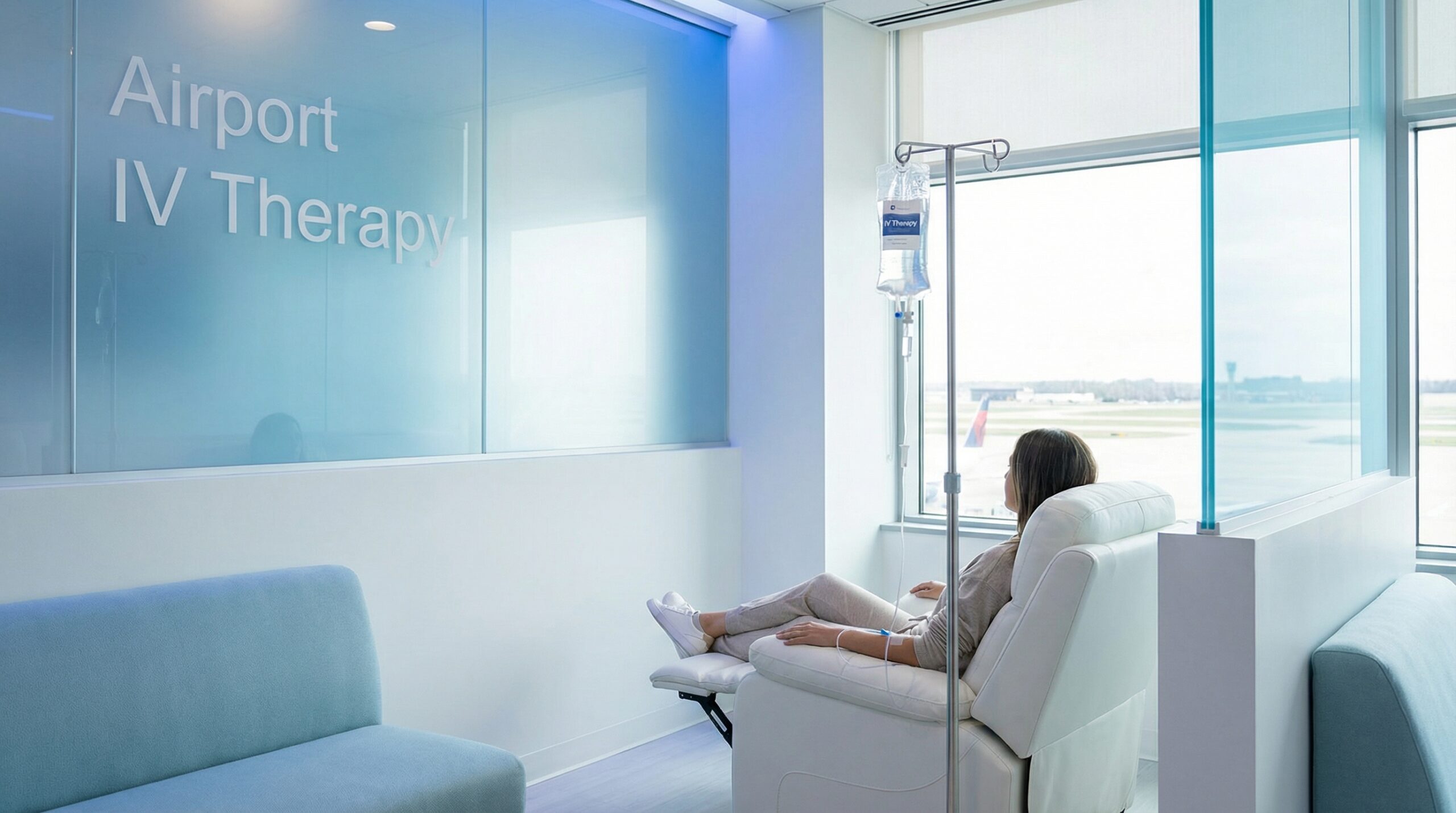
Long flights, dry cabin air, tight connections, and crowded terminals can leave even seasoned travelers feeling drained. Airport IV therapy is emerging as a convenient way to rehydrate, support immunity, and ease jet lag right before or after you fly. This guide explains how it works, who it is for, and what to expect so you can decide if it fits your travel routine.
What is airport IV therapy and how can it help travelers?
Airport IV therapy is a wellness-focused intravenous hydration and vitamin service offered in or near airports, or via mobile IV teams that meet you at your hotel or vacation rental shortly after you land. A licensed nurse places a small IV line into a vein, then infuses a tailored blend of fluids, electrolytes, vitamins, minerals, and antioxidants over 30–60 minutes while you relax. By bypassing the digestive system, IV therapy allows near-complete absorption of fluids and nutrients, which may help relieve dehydration, fatigue, jet lag symptoms, and post‑flight brain fog more quickly than oral supplements or drinking water alone (Intravenous vitamin C in the treatment of fatigue, Vollbracht et al., 2018).

Airport IV therapy is a concierge-style hydration and vitamin infusion designed around the demands of air travel. It aims to quickly restore fluid balance, electrolytes, and key nutrients after flying, which may help reduce headaches, fatigue, jet lag symptoms, and vulnerability to common post‑flight colds so you can feel more like yourself when you land.
Why does flying leave you so dehydrated and exhausted?
To understand why airport IV therapy appeals to frequent flyers, it helps to look at what air travel does to your body. Commercial airplane cabins are pressurized and have very low humidity, usually around 10–20 percent, compared with 30–60 percent in most indoor environments on the ground (Health effects of aircraft cabin pressure and humidity, Hocking, 2002). Over several hours, that dry air pulls moisture from your skin and respiratory tract.
Dehydration in the air
Research suggests that during long‑haul flights, passengers can lose up to 1–1.5 liters of body water through breathing and low‑humidity exposure alone, especially on flights lasting 8–10 hours or more (Health effects of aircraft cabin pressure and humidity, Hocking, 2002). That fluid loss is often compounded by:
- Limited access to water or forgetting to drink regularly
- Alcohol or caffeine intake, which can increase urine output
- Salty in‑flight snacks that may alter fluid balance
Mild to moderate dehydration can contribute to headaches, dizziness, dry skin, fatigue, and a general sense of feeling off after you land (Clinical dehydration assessment in adults, Thomas et al., 2016).
Jet lag and circadian rhythm disruption
Jet lag, or desynchronosis, occurs when your internal 24‑hour clock no longer matches the local time at your destination. Crossing several time zones, especially flying east, can lead to insomnia, daytime sleepiness, irritability, digestive upset, and brain fog (Circadian rhythm sleep disorders: jet lag and shift work disorder, Sack et al., 2007). A common rule of thumb is that it may take about one day per time zone crossed to fully adjust.
Dehydration, irregular meals, and limited movement during flights can make jet lag feel worse. Many travelers also arrive sleep‑deprived due to early departures or overnight flights, which further disrupts circadian regulation.
Immune stress in crowded terminals and planes
Airports and airplanes bring you into close contact with large numbers of people from many regions. Respiratory viruses can spread efficiently in these environments, especially when passengers are stressed, sleeping poorly, and not eating optimally (Transmission of respiratory viruses during air travel, Hertzberg & Weiss, 2016). Dry cabin air may also dry out mucous membranes in the nose and throat, which are part of your first line of defense against pathogens.
These combined factors help explain why many travelers report catching a cold or feeling run down within a few days of a long trip.
How does airport IV therapy work?
Airport IV therapy uses the same basic medical technique as IVs in clinical settings, but the goal is wellness and recovery rather than acute hospital care. Treatments are usually delivered in a spa‑like lounge near the airport, a nearby clinic, or via mobile IV nurses who come to your hotel or rental soon after you arrive.
What happens during an IV session?
While details vary by provider, a typical process includes:
- Screening and consent: A brief health questionnaire and sometimes vital signs check to review your medical history, medications, allergies, and travel context. Certain conditions, such as severe kidney disease or heart failure, may make high‑volume IV fluids inappropriate (Guidelines for intravenous fluid therapy, NICE, 2013).
- Formulation selection: You and the clinician choose an IV blend focused on hydration, jet lag recovery, immune support, energy, or a combination. Ingredients are adjusted based on your goals and health profile.
- IV placement: A licensed nurse inserts a small catheter into a vein, usually in your arm or hand, using sterile technique.
- Infusion: Over 30–60 minutes, your drip delivers fluids and nutrients while you rest, read, or work on your laptop.
- Post‑infusion check: After the bag is finished, the IV is removed, and you are briefly observed before resuming normal activity.
Many travelers schedule sessions either a day before departure, during a long layover, or within 24 hours of landing to integrate IV therapy into their travel routine.
Common ingredients in travel‑focused IV drips
Airport IV therapy menus often feature blends that may include:
- Fluids such as normal saline or lactated Ringer’s solution for rapid rehydration and improved circulation (Guidelines for intravenous fluid therapy, NICE, 2013).
- Electrolytes like sodium, potassium, calcium, and magnesium to support nerve and muscle function and replace losses from dehydration (Electrolyte and fluid balance, Palmer & Clegg, 2016).
- B‑complex vitamins to support energy metabolism, nervous system function, and red blood cell production (Vitamin B complex: biochemical, physiological and therapeutic aspects, Combs, 2012).
- Vitamin B12 for red blood cell formation and neurologic function, which may help reduce fatigue in people with low or borderline levels (Vitamin B12 deficiency, OLeary & Samman, 2010).
- Vitamin C as an antioxidant and immune‑support nutrient, which may modestly reduce the duration of common colds in some people (Vitamin C and immune function, Carr & Maggini, 2017).
- Magnesium to support muscle relaxation, nerve function, and sleep quality, especially after stressful travel days (Magnesium in the central nervous system, Vink & Nechifor, 2011).
- Zinc for immune function and support of normal mucosal defenses (Zinc and immune function, Shankar & Prasad, 1998).
- Glutathione or other antioxidants as add‑ons aimed at countering oxidative stress from travel, alcohol, or intense activity (Glutathione in health and disease, Wu et al., 2004).
Some providers also offer amino acids or NAD+ for travelers focused on cognitive performance and cellular energy, although evidence for these specific uses is still emerging and should be discussed with a qualified clinician.
What are the benefits of airport IV therapy for travelers?
Airport IV therapy is not a cure‑all, but it can be a useful tool for certain travel‑related concerns when used appropriately. Potential benefits include:
1. Faster rehydration after long flights
Oral hydration is important, but it relies on your digestive system and may be limited by how much you can comfortably drink at once. IV fluids enter the bloodstream directly and are distributed quickly throughout the body. Clinical guidelines recognize IV fluids as the fastest way to correct moderate to severe dehydration when needed (Guidelines for intravenous fluid therapy, NICE, 2013).
For travelers, this rapid rehydration can help ease headaches, lightheadedness, dry skin, and fatigue that often follow long‑haul flights. Some wellness clinics describe a single IV as providing the hydration equivalent of several liters of water in under an hour, which aligns with how quickly IV fluids can expand plasma volume in clinical settings (Fluid resuscitation, Myburgh & Mythen, 2013).
2. Jet lag support
Jet lag is fundamentally a circadian rhythm issue, and IV therapy does not reset your internal clock by itself. However, it can address several factors that make jet lag feel worse, including dehydration, nutrient depletion, and inflammation (Circadian rhythm sleep disorders: jet lag and shift work disorder, Sack et al., 2007).
Travel‑focused IV blends may include:
- Fluids and electrolytes to restore hydration
- B‑complex and B12 for energy and cognitive support
- Magnesium for muscle relaxation and sleep quality
- Vitamin C and antioxidants to support recovery from travel stress
Many travelers report feeling more alert and able to hit the ground running within hours of a post‑flight IV, especially when combined with light exposure, movement, and a structured sleep schedule at the destination.
3. Immune support in high‑exposure environments
Travel exposes you to new microbes and close contact with others. While no therapy can guarantee you will not get sick, maintaining hydration and adequate intake of key nutrients like vitamin C, zinc, and B vitamins supports normal immune function (Vitamin C and immune function, Carr & Maggini, 2017; Zinc and immune function, Shankar & Prasad, 1998).
Immune‑oriented IV drips often deliver higher doses of vitamin C than are practical to take orally in one sitting, which may help reduce oxidative stress and support normal immune responses, although evidence for very high‑dose vitamin C in otherwise healthy travelers is still limited (Vitamin C in disease prevention and cure, Mandl et al., 2009). IV therapy should be seen as one part of a broader strategy that also includes sleep, hand hygiene, balanced nutrition, and stress management.
4. Energy and mental clarity
Many airport IV menus include energy or focus blends that combine B‑complex vitamins, B12, vitamin C, magnesium, and sometimes amino acids. B vitamins are essential cofactors in cellular energy production, and deficiency can contribute to fatigue and cognitive changes (Vitamin B complex: biochemical, physiological and therapeutic aspects, Combs, 2012).
Some small studies suggest that IV nutrient therapy may improve subjective fatigue scores in certain populations, although more rigorous research is needed (Intravenous vitamin C in the treatment of fatigue, Vollbracht et al., 2018). Travelers often describe a more stable, clean energy compared with the temporary boost and crash associated with caffeine or sugary drinks.

5. Recovery for active or altitude‑based trips
Airport IV therapy can also be relevant for destination‑specific challenges. Travelers heading to high‑altitude or very hot environments may experience additional fluid and electrolyte shifts. Hydration and electrolyte balance are key components of acclimatization and exercise performance at altitude and in heat (Fluid and electrolyte balance and exercise, Sawka et al., 2007).
Some travel‑recovery drips include extra electrolytes, amino acids, and antioxidants for people planning skiing, hiking, or intense outdoor activities soon after arrival. While IV therapy is not a substitute for gradual acclimatization or proper training, it may support recovery from long travel days before you start those activities.
When should you schedule airport IV therapy?
Timing can influence how helpful IV therapy feels around a trip. Many travelers use one of three strategies:
Pre‑flight IV therapy
Scheduling an IV 24–48 hours before departure can front‑load hydration and nutrients, which may help you tolerate long flights more comfortably. This approach is popular with people who know they tend to arrive feeling depleted or who are heading straight into important meetings or events.
Post‑flight IV therapy
Having a drip shortly after landing is the most common pattern. A session within the first 24 hours can help correct dehydration, support immune function, and ease the transition into a new time zone. Mobile IV services near major airports often visit hotels, vacation rentals, or even offices so travelers can recover while unpacking or preparing for the next part of their schedule.
During longer trips
Frequent business travelers or people on extended trips sometimes schedule periodic IV sessions to maintain energy and hydration, particularly if they are attending conferences, working long hours, or combining travel with intensive activities. The appropriate frequency depends on your health status and should be discussed with a clinician.
Is airport IV therapy safe?
For most healthy adults, IV therapy administered by qualified professionals using sterile technique is generally well tolerated. However, it is still a medical procedure and carries potential risks.
Possible side effects and risks
Potential side effects include:
- Mild pain, bruising, or redness at the IV site
- Temporary feeling of coolness or fullness in the arm
- Rarely, infection or phlebitis (vein inflammation) at the insertion site
- Fluid overload in susceptible individuals, such as those with heart failure or severe kidney disease (Guidelines for intravenous fluid therapy, NICE, 2013)
- Allergic reactions to specific ingredients, which are uncommon but possible
Reputable providers screen for contraindications, adjust fluid volumes, and monitor clients during the infusion. If you are pregnant, have chronic medical conditions, take prescription medications, or have a history of kidney, heart, or liver disease, you should consult your primary healthcare provider before considering IV therapy.
Who is airport IV therapy best suited for?
Airport IV therapy may be especially appealing to:
- Frequent business travelers who need to perform shortly after landing
- International travelers crossing multiple time zones
- Vacationers who want to maximize limited days at their destination
- Travelers heading to high‑altitude or very hot climates
- People who typically feel very dehydrated or drained after flights
It is not a replacement for medical care if you are acutely ill, nor is it intended to treat serious conditions that require a physicians supervision. Instead, it is a supportive wellness tool that can complement healthy travel habits.
How to integrate IV therapy into a healthy travel routine
To get the most from airport IV therapy, it helps to pair it with evidence‑based travel practices.
Before you fly
- Shift your sleep and meal times gradually toward your destination time zone when possible (Circadian rhythm sleep disorders: jet lag and shift work disorder, Sack et al., 2007).
- Hydrate steadily in the 24 hours before departure.
- Limit alcohol and heavy meals right before and during the flight.
- Consider a pre‑flight IV if you know you struggle with jet lag or post‑flight fatigue.
During the flight
- Drink water regularly, not just when you feel thirsty.
- Stand up and walk the aisle periodically to support circulation.
- Use a hydrating moisturizer or nasal saline spray to counteract dry air, if recommended by your provider.
- Keep caffeine and alcohol moderate.
After you land
- Get natural daylight exposure at your new destination to help reset your body clock (Circadian rhythm sleep disorders: jet lag and shift work disorder, Sack et al., 2007).
- Eat balanced meals with protein, healthy fats, and colorful fruits and vegetables.
- Schedule light activity, such as a walk, instead of immediately going to bed in the middle of the day.
- If you choose airport IV therapy, time it so you can rest or ease into your schedule afterward.
When to talk with a healthcare professional
If you have chronic health conditions, are on multiple medications, or have experienced complications from IVs in the past, speak with your regular healthcare provider before adding airport IV therapy to your travel plans. They can help you understand whether specific ingredients or fluid volumes are appropriate for you and whether any lab testing is advisable.
Always inform the IV provider about your medical history, allergies, and current medications. Do not use IV therapy as a substitute for seeking urgent care if you feel seriously unwell during or after travel. Consider exploring guidance on safe IV use in resources such as hydration guides.
FAQ
How long before or after a flight should I schedule airport IV therapy?
Many travelers find it helpful to schedule IV therapy 24–48 hours before a long flight to optimize hydration and nutrients, or within the first 24 hours after landing to support recovery from dehydration and jet lag. The best timing depends on your itinerary, how you typically respond to travel, and any medical considerations, so it is wise to discuss this with the providers clinical team.
How long do the effects of airport IV therapy last?
Most people feel the immediate hydration effects within the first hour, and benefits such as improved energy or mental clarity may last from a day to several days, depending on the ingredients used and your baseline health. IV therapy does not permanently change your hydration or nutrient status, so maintaining good sleep, diet, and fluid intake after the session is still important.
Can airport IV therapy prevent jet lag completely?
IV therapy cannot fully prevent jet lag because your internal clock still needs time to adjust to a new time zone. However, by improving hydration, replenishing key nutrients, and supporting sleep quality, it may reduce the severity of symptoms like headaches, fatigue, and brain fog, especially when combined with strategies such as timed light exposure and a structured sleep schedule.
Is airport IV therapy safe for everyone?
Airport IV therapy is generally safe for many healthy adults when administered by licensed professionals, but it is not appropriate for everyone. People with conditions such as severe kidney disease, certain heart conditions, uncontrolled high blood pressure, or a history of fluid overload may be advised to avoid or modify IV treatments. Pregnant individuals and those on complex medication regimens should consult their healthcare provider before booking a session.
What should I do to prepare for an airport IV therapy session?
Before your appointment, drink some water, eat a light meal, and have a list of your medications, supplements, and allergies ready to share. Wear comfortable clothing with sleeves that can be rolled up easily, and plan a bit of buffer time in your schedule in case the session or check‑in takes longer than expected. If you feel unwell with fever, chest pain, or severe shortness of breath, seek medical care rather than a wellness IV session.
This blog post is intended for informational purposes only and should not be considered medical advice. Always consult a healthcare professional before making changes to your health routine.
Leave a Reply