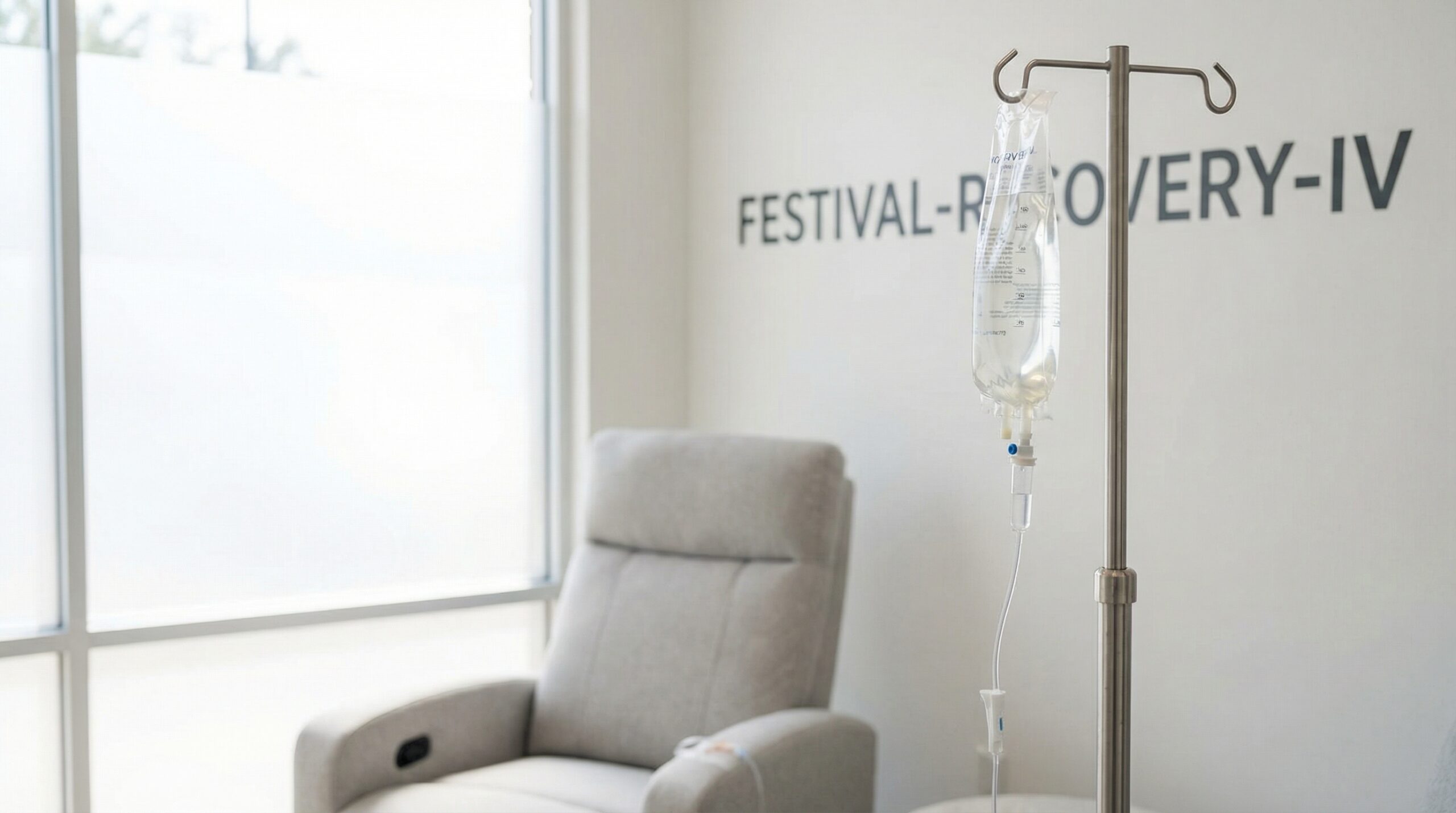
Multi-day festivals are unforgettable, but the aftermath is often less fun. Long hours in the sun, back-to-back sets, late nights, alcohol, and little sleep can leave you drained for days. A festival recovery IV therapy package is designed to help you bounce back faster with targeted hydration, vitamins, and electrolytes delivered directly into your bloodstream.
This guide is for festival-goers who want to feel human again after a big weekend, protect their health, and get back to work or travel without dragging for the rest of the week. We will walk through what a festival recovery IV includes, how it works, the evidence behind common ingredients, and how to decide if it is right for you.
What is a festival recovery IV therapy package?
A festival recovery IV therapy package is a customized intravenous drip that typically combines sterile fluids, electrolytes, B vitamins, vitamin C, magnesium, and sometimes antioxidants to support rapid rehydration, energy, and recovery after a multi-day music festival or similar event. It is administered by a trained medical professional, usually takes 30–60 minutes, and is intended to help ease fatigue, headaches, brain fog, nausea, and muscle soreness so you can feel more like yourself again.
Why do festivals leave you so exhausted?
After a festival, many people report a cluster of symptoms: intense fatigue, pounding headaches, dry mouth, lightheadedness, brain fog, muscle soreness, and sometimes nausea or digestive upset. These are usually the result of several overlapping stressors on your body:
- Dehydration from hours in the sun, sweating, dancing, and drinking alcohol
- Electrolyte loss through sweat, especially sodium, potassium, and magnesium, which are essential for nerve and muscle function (Electrolytes in health and disease, Adrogué & Madias, 2000)
- Sleep deprivation that disrupts hormones, mood, and immune function (Sleep and immune function, Besedovsky et al., 2012)
- Alcohol intake which is both dehydrating and increases oxidative stress and inflammation (Alcohol and dehydration, Shirreffs et al., 2005)
- Poor nutrition when you rely on quick snacks instead of balanced meals, leaving vitamin and mineral intake low
All of this can slow digestion and make it harder for your body to absorb nutrients from food or oral supplements right after the event. IV therapy bypasses the digestive tract and delivers fluids and nutrients directly into your bloodstream, which may support faster rehydration and replenishment compared to drinking alone (Intravenous fluid therapy in adults in hospital, NICE Guideline, 2013). This makes hydration therapy a particularly relevant tool for festival recovery.

How does a festival recovery IV therapy package work?
IV therapy uses a small catheter placed into a vein, usually in your arm or hand. A bag of fluids and nutrients drips slowly into your bloodstream over 30–60 minutes while you relax in a chair or lounge-style setting. Because the nutrients are delivered directly into circulation, they do not depend on gut absorption, which can be compromised after heavy alcohol intake or lack of sleep (Parenteral vs enteral nutrition in critical illness, Casaer & Van den Berghe, 2014).
In a typical festival recovery IV, several components work together:
- Fluids help restore blood volume and support circulation
- Electrolytes support nerve signaling, muscle contraction, and hydration balance
- B vitamins participate in energy metabolism and nervous system function (B vitamins and energy production, Kennedy, 2016)
- Vitamin C acts as an antioxidant and supports immune function (Vitamin C and immune function, Carr & Maggini, 2017) similar to how immune system support IVs work
- Magnesium supports muscle relaxation, sleep quality, and normal nerve function (Magnesium in human health and disease, Gröber et al., 2015)
- Optional antioxidants like glutathione may help counter oxidative stress, although evidence in healthy people is still emerging (Glutathione: in health and disease, Forman et al., 2009)
What is usually included in a festival recovery IV therapy package?
Formulations vary by clinic, but a festival recovery IV therapy package commonly includes a blend that looks like this:
1. Hydrating fluids
Most drips use normal saline or a balanced electrolyte solution as the base. Intravenous fluids can rapidly restore circulating volume and improve hydration status, which is especially important after prolonged heat exposure and alcohol intake (Intravenous fluid therapy in adults in hospital, NICE Guideline, 2013).
2. Electrolytes for true hydration
Hydration is not just about water. Electrolytes like sodium, potassium, and magnesium help your cells actually hold onto fluid and maintain normal muscle and nerve function (Electrolytes in health and disease, Adrogué & Madias, 2000). A festival recovery blend often includes:
- Sodium to support blood pressure and fluid balance
- Potassium for heart rhythm and muscle function
- Magnesium to help with muscle cramps, tension, and sleep
3. B-complex vitamins for energy and brain fog
B vitamins are involved in converting food into usable energy and supporting the nervous system (B vitamins and energy production, Kennedy, 2016). After days of poor sleep and irregular meals, your body may benefit from additional:
- Vitamin B1 (thiamine) to support carbohydrate metabolism and nerve function
- Vitamin B2 (riboflavin) and B3 (niacin) for mitochondrial energy production
- Vitamin B5 (pantothenic acid) and B6 (pyridoxine) for neurotransmitter balance and stress response
- Vitamin B12 for red blood cell production and cognitive function, especially in people with low or marginal levels (Vitamin B12 deficiency, O’Leary & Samman, 2010)
4. Vitamin C for immune and recovery support
Festivals involve crowded spaces, travel, and stress, all of which can challenge your immune system. Vitamin C supports normal immune cell function and acts as an antioxidant (Vitamin C and immune function, Carr & Maggini, 2017). Some IV formulations use moderate to high doses, although very high doses are typically reserved for specific medical settings under physician supervision.
5. Magnesium for tension, sleep, and muscle soreness
Magnesium plays a role in muscle relaxation, nerve conduction, and sleep regulation. Low magnesium status has been associated with muscle cramps, fatigue, and mood changes (Magnesium in human health and disease, Gröber et al., 2015). Including magnesium in a festival recovery drip may help ease tight muscles and support more restful sleep after the event.
6. Optional glutathione or other antioxidants
Some festival recovery IV packages offer glutathione as an add-on. Glutathione is a major intracellular antioxidant that helps neutralize reactive oxygen species and supports detoxification pathways in the liver (Glutathione: in health and disease, Forman et al., 2009). Evidence for cosmetic or performance benefits in healthy individuals is still evolving, so it is best framed as potential support rather than a guaranteed outcome.
What are the benefits of a festival recovery IV therapy package?
Experiences vary, but many people choose post-festival IV therapy for the following potential benefits:
- Faster rehydration compared with drinking alone, especially when nausea or gut upset makes it hard to take in enough fluids (Intravenous fluid therapy in adults in hospital, NICE Guideline, 2013)
- Support for energy levels through B vitamins and improved hydration, which may help reduce fatigue and brain fog (B vitamins and energy production, Kennedy, 2016)
- Reduced hangover symptoms such as headache and lightheadedness, primarily through fluid and electrolyte replacement; some packages may also include medications for nausea or pain, which should be prescribed and overseen by a licensed provider (Alcohol and dehydration, Shirreffs et al., 2005)
- Muscle recovery support due to better hydration and magnesium for cramps and tension (Magnesium in human health and disease, Gröber et al., 2015)
- Immune support from vitamin C and zinc if included, which may be helpful after exposure to large crowds and travel stress (Vitamin C and immune function, Carr & Maggini, 2017)
- Potential skin and glow benefits when antioxidants like vitamin C and glutathione are used, although individual responses differ (Glutathione: in health and disease, Forman et al., 2009)
These effects are not guaranteed and depend on your baseline health, hydration status, and what is actually included in your drip. IV therapy is best viewed as a supportive tool rather than a cure-all.
When is the best time to book a festival recovery IV?
Timing can make a noticeable difference in how you feel after a festival. Many guests choose one of these windows:
- The day after the festival ends to address dehydration, lack of sleep, and hangover symptoms before returning to work or travel
- Within 24–72 hours if you still feel rundown, sore, or foggy
- Pre-festival as a proactive priming drip focused on hydration and energy support, especially if you know you tend to crash hard
- Mid-festival during a long weekend event, to help maintain hydration and stamina between days
For many people, the most practical option is the morning or afternoon after the final night, so they can rest during the infusion and then feel more functional later that day or the following morning.
What does a typical festival recovery IV session feel like?
While details differ between clinics, a standard session usually follows this flow:
- Brief health review A nurse or other licensed provider will review your medical history, medications, allergies, and festival experience to confirm that IV therapy is appropriate for you.
- Customized drip selection Based on your symptoms and goals, they may adjust the formula within safe parameters, for example focusing more on hydration, energy, or recovery.
- IV placement A small catheter is placed in a vein in your arm or hand. You may feel a quick pinch at insertion.
- Infusion You sit or recline in a comfortable chair while the drip infuses over 30–60 minutes. Many people read, listen to music, or rest.
- Post-session After the infusion, the catheter is removed and you are observed briefly. Some people notice changes in energy or clarity before they leave, while others feel gradual improvement over the next several hours.
Mild side effects can include temporary discomfort at the insertion site, a cool sensation in the arm, or a metallic taste in the mouth depending on the ingredients. These are usually short-lived.

Is festival recovery IV therapy safe?
When administered by trained medical professionals using sterile technique and appropriate screening, IV therapy is generally considered safe for many healthy adults. However, it is still a medical procedure with real risks. Potential complications include bruising, vein irritation, infection at the insertion site, fluid overload in susceptible individuals, and changes in blood pressure or heart rate (Complications of peripheral intravenous therapy, Alexandrou et al., 2018).
Certain people should avoid or be very cautious with IV therapy, including those with uncontrolled heart failure, severe kidney disease, certain electrolyte imbalances, or known allergies to any components in the drip. Pregnant or breastfeeding individuals, and those on complex medication regimens, should only proceed under direct guidance from their healthcare provider.
A responsible clinic will:
- Take a detailed health history and discuss your medications
- Explain the ingredients and potential side effects
- Adjust or decline treatment if it is not appropriate for you
- Use single-use sterile supplies and medical-grade fluids
Who is a good candidate for a festival recovery IV therapy package?
A festival recovery IV package may be worth considering if you:
- Attended a multi-day festival with long hours, heat, and alcohol intake
- Feel significantly dehydrated, fatigued, or foggy despite resting and drinking water
- Need to get back to work, travel, or family responsibilities quickly
- Do not have major heart, kidney, or uncontrolled medical conditions that would make extra fluids unsafe
It is not a replacement for medical care if you have severe symptoms such as chest pain, confusion, shortness of breath, or signs of heat stroke. Those situations require urgent evaluation in an emergency department.
How to get the most out of your festival recovery IV
1. Support your body before and during the festival
IV therapy works best as part of a bigger recovery plan, not the only tool. Before and during the festival:
- Drink water consistently, not just at the end of the night
- Include some electrolyte drinks, especially in hot weather
- Eat balanced meals or snacks with protein, complex carbs, and healthy fats
- Protect your skin with sunscreen and take shade breaks
- Try to get at least some sleep each night
2. After the festival, pair IV therapy with smart recovery habits
To extend the benefits of your drip:
- Continue to sip water and light electrolyte drinks throughout the day
- Prioritize sleep for the next 1–3 nights
- Eat nutrient-dense meals, especially fruits, vegetables, and lean protein
- Limit additional alcohol until you feel fully recovered
- Consider gentle movement like walking or stretching to aid circulation
Can a festival recovery IV therapy package replace healthy habits?
No. IV therapy is a supportive adjunct, not a substitute for sleep, hydration, and nutrition. It may help you feel better faster, but it does not erase all the effects of intense partying or chronic lifestyle stress. Consistent healthy habits throughout the year will do more for your long-term energy, mood, and performance than any single drip.
When should you skip a festival recovery IV and see a doctor instead?
Seek urgent medical care instead of a wellness IV if you experience:
- Confusion, fainting, or difficulty waking up
- Chest pain, trouble breathing, or a racing heart that does not settle
- Very high body temperature, hot and dry skin, or signs of heat stroke
- Persistent vomiting that prevents you from keeping down fluids
- Seizures or severe headache with neck stiffness
These can be signs of serious conditions that require hospital-level evaluation and treatment. For routine sessions, many people also want to know how long IV therapy takes so they can plan their visit.
FAQ
How long does a festival recovery IV therapy session take?
Most festival recovery IV sessions take about 30–60 minutes, depending on the specific formula and your vein access. This includes a brief health review, IV placement, and the infusion itself.
Will a festival recovery IV cure my hangover completely?
A festival recovery IV may help reduce common hangover symptoms like headache, fatigue, and lightheadedness by restoring fluids and electrolytes, and by providing supportive nutrients. However, it is unlikely to erase every symptom instantly, and it does not reverse the underlying effects of heavy alcohol use.
How soon will I feel better after a festival recovery IV?
Some people notice improvements in clarity, energy, or nausea relief before the infusion finishes, while others feel a gradual shift over several hours. The timeline depends on your baseline health, how depleted you were, and what is in the drip.
Is it safe to get a festival recovery IV if I have medical conditions?
It depends on the condition. People with heart failure, serious kidney disease, or certain electrolyte disorders may not be good candidates for extra IV fluids. Always discuss your full medical history and medications with the provider, and consult your regular healthcare professional if you are unsure.
How often can I get a festival recovery IV therapy package?
For most healthy adults, occasional drips around demanding events like festivals or travel are common. If you are considering frequent or regular IV therapy, you should work with a qualified clinician who can monitor your health, labs, and overall treatment plan.
This blog post is intended for informational purposes only and should not be considered medical advice. Always consult a healthcare professional before making changes to your health routine.
”
}
Leave a Reply